

Uncommon · Places
Assens, Denmark
Town in Denmark
Assens (Danish: [ˈæsn̩s]) is a town with a population of 5,817 (1 January 2026) on the west coast of the island of Funen on the eastern side of the Little Belt in central Denmark. By road, Assens is located 41.2 kilometres (25.6 mi) southwest of Odense, 34 kilometres (21 mi) northwest of Faaborg, and 33.34 kilometres (20.72 mi) southeast of Middelfart.
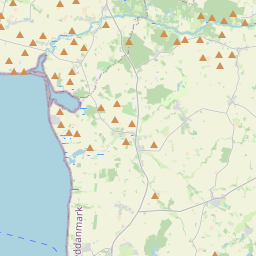
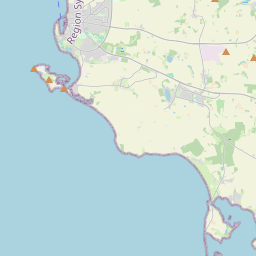
On the map


From Wikipedia
Assens (Danish: [ˈæsn̩s]) is a town with a population of 5,817 (1 January 2026) on the west coast of the island of Funen on the eastern side of the Little Belt in central Denmark. By road, Assens is located 41.2 kilometres (25.6 mi) southwest of Odense, 34 kilometres (21 mi) northwest of Faaborg, and 33.34 kilometres (20.72 mi) southeast of Middelfart. Assens is the municipal seat of Assens Municipality in Region of Southern Denmark. It was the birthplace of sculptor Jens Adolf Jerichau who married the well-known portraitist Elisabeth Jerichau-Baumann; both artists' works are exhibited at the local art museum, Vestfyns Kunstmuseum. In the Danish Census Book from the 13th century, Assens is listed with the name Asnæs, which means a promontory overgrown with ash trees. Assens is located on the site of an old ferry landing linking Funen and the south of Jutland. A bay provided a natural harbour while the Little Belt encouraged trade and transport. It probably became a market town in the 13th century. The ferry, which probably originated in the Middle Ages, became particularly significant in the 16th century with sizeable cattle exports. The town was hard hit by the Swedish Wars in the 17th century, causing a reduction in trade.
Text: Wikipédia, CC BY-SA 4.0. · Image: Danielle dk (CC BY-SA 4.0) ·