
Aswan High Dam
Dam in Aswan, Egypt
The Aswan High Dam, often called simply Aswan Dam, was built between 1960 and 1970 across the Nile in Aswan, Egypt. One of the world's largest embankment dams, it was developed by the Egyptian government with the help of the Soviet Union to control flooding, increase water storage for irrigation, and generate hydroelectricity.
Nº Q38891 ★★★★
Super Rare · Places
Aswan High Dam
Dam in Aswan, Egypt
The Aswan High Dam, often called simply Aswan Dam, was built between 1960 and 1970 across the Nile in Aswan, Egypt. One of the world's largest embankment dams, it was developed by the Egyptian government with the help of the Soviet Union to control flooding, increase water storage for irrigation, and generate hydroelectricity.
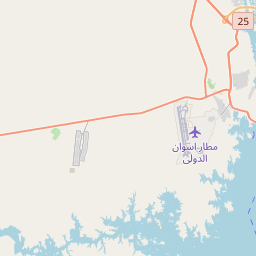
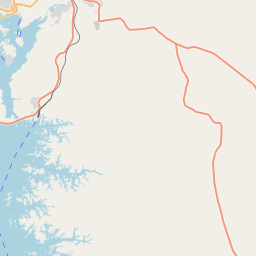
On the map
Last price
—
Floor price
—
7-day median
—
30-day sales
0
30-day range
—
In circulation
0
Price history
median
low – high
sales
No sales in this period
Show table
| Date | median | Low | High | sales |
|---|
Sales history
- Last sale
- —
- 30-day average
- —
- 30-day low
- —
- 30-day high
- —
- Sales 7d
- 0
- Sales 30d
- 0
No sales yet.
Anonymous sales: no buyer or seller shown. Figures count player-to-player sales only.
From Wikipedia
The Aswan High Dam, often called simply Aswan Dam, was built between 1960 and 1970 across the Nile in Aswan, Egypt. One of the world's largest embankment dams, it was developed by the Egyptian government with the help of the Soviet Union to control flooding, increase water storage for irrigation, and generate hydroelectricity. The dam was seen as pivotal to the country's industrialization plans. Like the Aswan Low Dam, which had been completed in 1902, the High Dam has changed the economy and culture of Egypt. When the Aswan High Dam was completed, it was the tallest earthen dam in the world, surpassing the Chatuge Dam in the United States. It created the Lake Nasser reservoir. It was built 7 km (4.3 mi) upstream of the Low Dam, which was built in 1902 to regulate the annual flooding of the Nile during late summer. These floods brought high water with natural nutrients and minerals that annually enriched the fertile soil along its floodplain and delta; this predictability had made the Nile valley ideal for farming since ancient times. However, this natural flooding varied, since high-water years could destroy the whole crop, while low-water years could create widespread drought and consequently famine. The Low Dam's relatively small capacity meant water continued to pass largely unimpeded down the valley from its East African drainage basin, so floods and droughts continues. As Egypt's population grew and technology increased, the desire and the ability developed to completely control the flooding, and thus both protect and support farmland and its economically important cotton crop. With the greatly increased reservoir storage provided by the High Aswan Dam, the floods could be controlled and the water could be stored for later release over multiple years. The Aswan Dam was designed by Nikolai Aleksandrovich Malyshev of the Moscow-based...
Text: Wikipédia, CC BY-SA 4.0. · Image: شرف الدين (CC BY-SA 3.0) ·
Related cards

Aswan
Egyptian city
Nº Q29888 ★★★

Flooding of the Nile
Famous natural phenomenon
Nº Q1519552 ★★

Philae temple complex
Temple of Isis in Philae now located on Agilkia island
Nº Q1503673 ★★★

Usoi Dam
Landslide dam on the Murghab River, Tajikistan
Nº Q3377037 ★★

Karkheh Dam
Dam in Iran
Nº Q1575398 ★★★★

Grand Ethiopian Renaissance Dam
Gravity dam on the Blue Nile River in Ethiopia
Nº Q1542454 ★★★