Bahamra
Village in Latakia, Syria
Bahamra (Arabic: بحمرة, romanized: Bahāmra; also spelled Bhamrah) is a village in northwestern Syria, administratively part of the Qardaha District of the Latakia Governorate. It is located near Qardaha and 29 kilometers (18 mi) east of Latakia.
Nº Q45073745 ★★
Uncommon · Places
Bahamra
Village in Latakia, Syria
Bahamra (Arabic: بحمرة, romanized: Bahāmra; also spelled Bhamrah) is a village in northwestern Syria, administratively part of the Qardaha District of the Latakia Governorate. It is located near Qardaha and 29 kilometers (18 mi) east of Latakia.
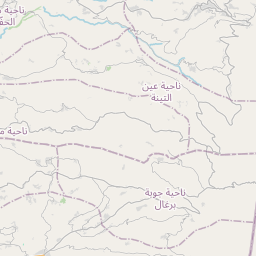
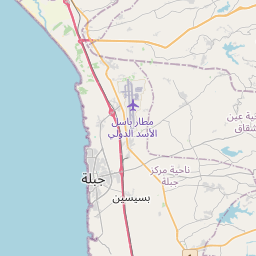
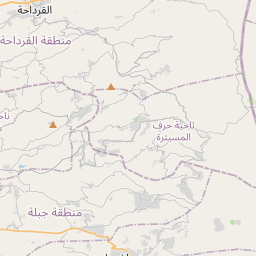
On the map

Last price
—
Floor price
—
7-day median
—
30-day sales
0
30-day range
—
In circulation
0
Price history
median
low – high
sales
No sales in this period
Show table
| Date | median | Low | High | sales |
|---|
Sales history
- Last sale
- —
- 30-day average
- —
- 30-day low
- —
- 30-day high
- —
- Sales 7d
- 0
- Sales 30d
- 0
No sales yet.
Anonymous sales: no buyer or seller shown. Figures count player-to-player sales only.
From Wikipedia
Bahamra (Arabic: بحمرة, romanized: Bahāmra; also spelled Bhamrah) is a village in northwestern Syria, administratively part of the Qardaha District of the Latakia Governorate. It is located near Qardaha and 29 kilometers (18 mi) east of Latakia. According to the Syria Central Bureau of Statistics, Bahamra had a population of 1,028 in the 2004 census. The inhabitants of the village are Alawites. The British Anglican missionary Samuel Lyde based his mission in Syria at Bahamra in 1854–1859. He purchased property, opened a school and put up a number of other buildings there and attempted to proselytize mainly among the Alawites of the region. He did not meet much success in his endeavour and transferred the school to the American Presbyterian missionary R. J. Dobbs, who continued the mission's work. At some point in the 1860s the school was closed, but the Protestant boys' school that had been opened in Latakia was transferred to Bahamra in 1870, where it operated until 1876. Missionary work continued to be carried out from the village at least until 1913.
Text: Wikipédia, CC BY-SA 4.0. ·

