
Bargylia
Ancient city of Caria in modern-day Turkey
Bargylia (; Ancient Greek: Βαργυλία), was a city on the coast of ancient Caria in southwestern Anatolia (modern-day Turkey) between Iasos and Myndus. Bargylia's location corresponds to the modern Turkish town of Boğaziçi in Muğla Province.
Nº Q808168 ★★★
Rare · Places
Bargylia
Ancient city of Caria in modern-day Turkey
Bargylia (; Ancient Greek: Βαργυλία), was a city on the coast of ancient Caria in southwestern Anatolia (modern-day Turkey) between Iasos and Myndus. Bargylia's location corresponds to the modern Turkish town of Boğaziçi in Muğla Province.
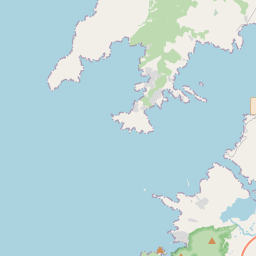
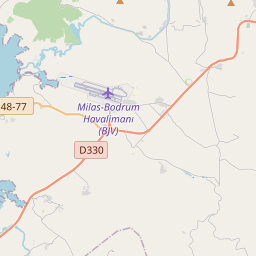
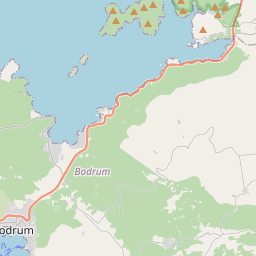
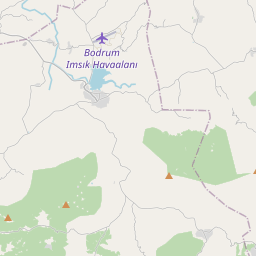
On the map
Last price
—
Floor price
—
7-day median
—
30-day sales
0
30-day range
—
In circulation
0
Price history
median
low – high
sales
No sales in this period
Show table
| Date | median | Low | High | sales |
|---|
Sales history
- Last sale
- —
- 30-day average
- —
- 30-day low
- —
- 30-day high
- —
- Sales 7d
- 0
- Sales 30d
- 0
No sales yet.
Anonymous sales: no buyer or seller shown. Figures count player-to-player sales only.
From Wikipedia
Bargylia (; Ancient Greek: Βαργυλία), was a city on the coast of ancient Caria in southwestern Anatolia (modern-day Turkey) between Iasos and Myndus. Bargylia's location corresponds to the modern Turkish town of Boğaziçi in Muğla Province. The city was said to have been founded by Bellerophon in honour of his companion Bargylus (Greek: Βάργυλος), who had been killed by a kick from the winged horse Pegasus. Near Bargylia was the Temple of Artemis Cindyas. Strabo reports the local belief that rain would fall around the temple but never touch it. Artemis Cindyas and Pegasus appear on coinage of Bargylia. In 201/200 BC during the Cretan War King Philip V of Macedon wintered his fleet in Bargylia when he was blockaded by the Pergamene and Rhodian fleets. Protarchus the Epicurean philosopher, the mentor of Demetrius Lacon, was a native of Bargylia. On a headland next to the harbour at Bargylia there once stood a large tomb monument. Dating from the Hellenistic period (between 200-150 BC), the monument was dedicated to the sea monster Scylla. The over life-size figure of Scylla, along with a group of deferential and expectant hounds, was originally located at the apex of the building. The remains of this sculptural group, along with other parts of the stone structure, can be found in the British Museum's collection. There are currently reasonably extensive ruins at Bargylia, including the remnants of a temple, a theatre, a large defensive wall and a palaestra.
Text: Wikipédia, CC BY-SA 4.0. · Image: Hwhorwood (CC BY-SA 4.0) ·
Related cards
Boğaziçi, Milas
Mahalle (administrative quarter) in Milas, Muğla, southwestern Turkey
Nº Q4952939 ★★★

Knidos
Ancient city of Caria in modern-day Turkey
Nº Q690575 ★★

Artemisia I of Caria
5th century BC queen of Halicarnassus, Kos, Nisyros and Kalymnos
Nº Q232128 ★★★★

Bakırçay
River in Turkey
Nº Q1436746 ★

Cedreae
Ancient city of Caria in modern-day Turkey
Nº Q6816371 ★★★
Bargasa (northern Caria)
Ancient city of Caria in modern-day Turkey
Nº Q85745426 ★★