

Common · Places
Bechen
Human settlement in Germany
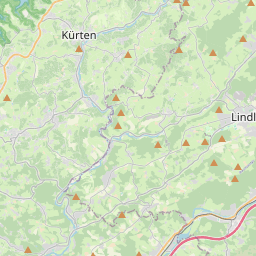
Bechen is a village in the municipality of Kürten in the Rheinisch-Bergischer Kreis of North Rhine-Westphalia, Germany. It is located near the southern edge of the Große Dhünntalsperre (Great Dhünn Dam) reservoir and forms part of the rural settlement structure of the municipality.
Read more
Bechen's first recorded mention is from around 1175, when an estate near the present village is documented as having been donated by a local landowner named Reinald von Kenten for ecclesiastical purposes. In 2025, Bechen marked this with an 850-year anniversary program, including a history-themed opening event and further public celebrations. Bechen has a historical tradition of using donkeys as pack animals by farmers transporting goods to markets, including to the Cologne market. This led to the village being known by the nickname Eselsdorf [donkey village] in regional descriptions. The tradition is reflected in a donkey sculpture created by Heide Dobberkau and installed in the village centre in 1983, reflecting the role of donkeys in Bechen's past. Bechen lies at an elevation of approximately 230 metres above sea level and covers an area of about 1.16 square kilometres. The village is located in the Bergisches Land region, characterised by low mountain terrain and dispersed rural settlements. It is administratively part of the municipality of Kürten.
On the map
Text: Wikipédia, CC BY-SA 4.0. · Image: Claudia-GL (CC BY-SA 3.0) ·