
Bistagno
Comune of Italy
Bistagno is a comune (municipality) in the Province of Alessandria in the Italian region Piedmont, located about 70 kilometres (43 mi) southeast of Turin and about 35 kilometres (22 mi) southwest of Alessandria. Bistagno borders the following municipalities: Castelletto d'Erro, Melazzo, Monastero Bormida, Montabone, Ponti, Rocchetta Palafea, Sessame, and Terzo.
Nº Q17275 ★★
Uncommon · Places
Bistagno
Comune of Italy
Bistagno is a comune (municipality) in the Province of Alessandria in the Italian region Piedmont, located about 70 kilometres (43 mi) southeast of Turin and about 35 kilometres (22 mi) southwest of Alessandria. Bistagno borders the following municipalities: Castelletto d'Erro, Melazzo, Monastero Bormida, Montabone, Ponti, Rocchetta Palafea, Sessame, and Terzo.
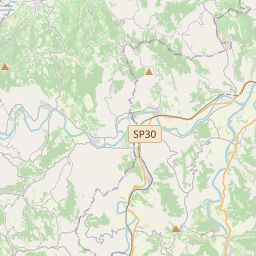
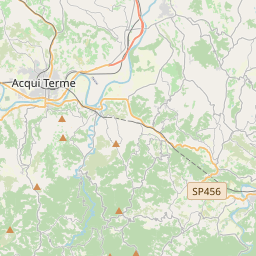
On the map
Last price
—
Floor price
—
7-day median
—
30-day sales
0
30-day range
—
In circulation
0
Price history
median
low – high
sales
No sales in this period
Show table
| Date | median | Low | High | sales |
|---|
Sales history
- Last sale
- —
- 30-day average
- —
- 30-day low
- —
- 30-day high
- —
- Sales 7d
- 0
- Sales 30d
- 0
No sales yet.
Anonymous sales: no buyer or seller shown. Figures count player-to-player sales only.
From Wikipedia
Bistagno is a comune (municipality) in the Province of Alessandria in the Italian region Piedmont, located about 70 kilometres (43 mi) southeast of Turin and about 35 kilometres (22 mi) southwest of Alessandria. Bistagno borders the following municipalities: Castelletto d'Erro, Melazzo, Monastero Bormida, Montabone, Ponti, Rocchetta Palafea, Sessame, and Terzo. In the center of the village is the Giulio Monteverde Gipsothèque, which houses the original plaster models of a native son who became a major Italian sculptor. Although the most common and widespread etymology for the toponym is connected with the confluence of two 'branches' of the Bormida river (the Spigno Bormida and the Millesimo Bormida) in the territory of Bistagno (Bistagno < bi + stagno, bi(s)- + pond, where 'pond' would not only indicate a stagnant body of water, but would be also connected with the root *agn- > Latin amnis, in the meaning of 'river', 'water course', 'stream', 'torrent'), a new etymology, based on linguistic evidence, connects Bistagno with *bĭst-ăgnŏ-s (Proto-Indo-European ~ Celtic), which would mean 'small pheasant', and would allude to the presence of this specific bird in the territory of the village in the Neolithic or, in any case, in prehistoric times.
Text: Wikipédia, CC BY-SA 4.0. · Image: photobeppus (CC BY-SA 2.0) ·


