
Boudha Stupa
Buddhist stupa in Kathmandu, Nepal
Boudha Stupa (Nepali: बौद्ध; Newari: खास्ति चैत्य), Boudhanath Stupa (Standard Tibetan: བྱ་རུང་ཁ་ཤོར།, Wylie: bya rung ka shor), also known as Khasti Chaitya or Khāsa Chaitya, is a stupa and major spiritual landmark seen as the embodiment of the enlightened mind of all the Buddhas, located in Boudha, within the city of Kathmandu, Nepal. Located in the northeast of Kathmandu Valley and originally surrounded by rice paddies, the stupa is said in one text to have given birth to Tibetan Buddhism.
Nº Q889902 ★★
Uncommon · Places
Boudha Stupa
Buddhist stupa in Kathmandu, Nepal
Boudha Stupa (Nepali: बौद्ध; Newari: खास्ति चैत्य), Boudhanath Stupa (Standard Tibetan: བྱ་རུང་ཁ་ཤོར།, Wylie: bya rung ka shor), also known as Khasti Chaitya or Khāsa Chaitya, is a stupa and major spiritual landmark seen as the embodiment of the enlightened mind of all the Buddhas, located in Boudha, within the city of Kathmandu, Nepal. Located in the northeast of Kathmandu Valley and originally surrounded by rice paddies, the stupa is said in one text to have given birth to Tibetan Buddhism.
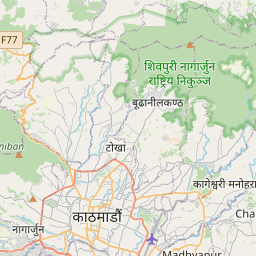
On the map

Last price
—
Floor price
—
7-day median
—
30-day sales
0
30-day range
—
In circulation
0
Price history
median
low – high
sales
No sales in this period
Show table
| Date | median | Low | High | sales |
|---|
Sales history
- Last sale
- —
- 30-day average
- —
- 30-day low
- —
- 30-day high
- —
- Sales 7d
- 0
- Sales 30d
- 0
No sales yet.
Anonymous sales: no buyer or seller shown. Figures count player-to-player sales only.
From Wikipedia
Boudha Stupa (Nepali: बौद्ध; Newari: खास्ति चैत्य), Boudhanath Stupa (Standard Tibetan: བྱ་རུང་ཁ་ཤོར།, Wylie: bya rung ka shor), also known as Khasti Chaitya or Khāsa Chaitya, is a stupa and major spiritual landmark seen as the embodiment of the enlightened mind of all the Buddhas, located in Boudha, within the city of Kathmandu, Nepal. Located in the northeast of Kathmandu Valley and originally surrounded by rice paddies, the stupa is said in one text to have given birth to Tibetan Buddhism. It is believed to contain consecrated substances, and its layout as a massive mandala makes it the largest spherical stupa in Nepal and one of the largest in the world. The present structure was most likely built in the 14th century, although Newar chronicles mention the construction of a stupa here as early as the 5th century. In 1979 the Boudha Stupa was designated as a UNESCO World Heritage Site. The stupa's consecrated body relics include bone pieces held to be those of Kassapa Buddha and of Shakyamuni Buddha, together with dharmakaya relics, dharma relics, cloth relics, and body, speech, mind, mind qualities, and activity representations among its other relics. It is located on the ancient trade route from Tibet to India which enters the Kathmandu Valley by the village of Sankhu in the northeast corner and continues to the ancient and smaller stupa of Chabahil named Charumati Stupa, often called "Little Boudhanath". The route then turns directly south, heading over the Bagmati River to Lalitpur and the ancient Malla Kingdom in Patan. Tibetan merchants have rested and offered prayers at Boudha Stupa for many centuries. Following the 1959 Tibetan uprising, a large number of the Tibetan refugees migrated to Nepal and settled around the stupa in Boudha. The Tibetan diaspora has given rise to the construction of over 50...
Text: Wikipédia, CC BY-SA 4.0. · Image: Etter Studio (CC BY 2.0) ·
Related cards

Muktinath
Sacred place in Muktinath Valley, Nepal
Nº Q1025465 ★★★

Tsurphu Monastery
Building in Doilungdêqên District, China
Nº Q927302 ★★★

Dhamek Stupa
Stupa at Sarnath, Uttar Pradesh, India
Nº Q1985137 ★

Buddhism in Nepal
History of Buddhism in Nepal
Nº Q4098000 ★★

Phra Pathommachedi
Stupa in Nakhon Pathom, Thailand
Nº Q1150964 ★

Bodhi tree
Sacred fig tree under which Buddha is said to have achieved enlightenment
Nº Q321437 ★★★