
Cao'an
Manichean temple in Fujian province, China
Cao'an (Chinese: 草庵; pinyin: Cǎo'ān; Pe̍h-ōe-jī: Chháu-am; lit. 'thatched nunnery') is a temple in Luoshan Subdistrict, Jinjiang, Fujian. Originally constructed by Chinese Manichaeans, it was considered by later worshipers to be a Buddhist temple.
Nº Q5034282 ★
Common · Places
Cao'an
Manichean temple in Fujian province, China
Cao'an (Chinese: 草庵; pinyin: Cǎo'ān; Pe̍h-ōe-jī: Chháu-am; lit. 'thatched nunnery') is a temple in Luoshan Subdistrict, Jinjiang, Fujian. Originally constructed by Chinese Manichaeans, it was considered by later worshipers to be a Buddhist temple.
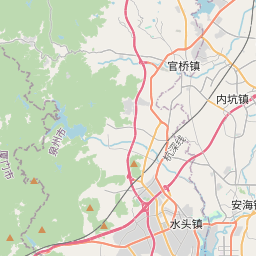
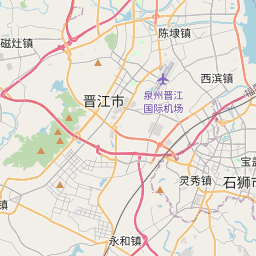
On the map
Last price
—
Floor price
—
7-day median
—
30-day sales
0
30-day range
—
In circulation
0
Price history
median
low – high
sales
No sales in this period
Show table
| Date | median | Low | High | sales |
|---|
Sales history
- Last sale
- —
- 30-day average
- —
- 30-day low
- —
- 30-day high
- —
- Sales 7d
- 0
- Sales 30d
- 0
No sales yet.
Anonymous sales: no buyer or seller shown. Figures count player-to-player sales only.
From Wikipedia
Cao'an (Chinese: 草庵; pinyin: Cǎo'ān; Pe̍h-ōe-jī: Chháu-am; lit. 'thatched nunnery') is a temple in Luoshan Subdistrict, Jinjiang, Fujian. Originally constructed by Chinese Manichaeans, it was considered by later worshipers to be a Buddhist temple. This "Manichaean temple in Buddhist disguise" had historically been seen by modern experts on Manichaeism as "the only Manichaean building which has survived intact". However, other Manichaean buildings have survived intact, such as the Xuanzhen Temple, also in China. In 2021, Cao'an was inscribed on the UNESCO World Heritage List along with many other sites near Quanzhou because of its unique testimony to the exchange of religious ideas and cultures in medieval China. Over 2022, the number of tourists to the location doubled and preservation efforts began.
Text: Wikipédia, CC BY-SA 4.0. · Image: Zhangzhugang (CC BY-SA 4.0) ·
Related cards

Kaiyuan Temple (Quanzhou)
Building in Fujian, China
Nº Q1721819 ★

Fengshan Longshan Temple
Temple in Kaohsiung
Nº Q1983202 ★★

Chaotian Palace
In Nanjing, Jiangsu, China
Nº Q5072829 ★★

Chaotian Temple
Mazu temple in Beigang, Taiwan
Nº Q707970 ★★★★

Daxingshan Temple
Building in Xi'an, China
Nº Q4155168 ★

Hualin Temple (Fuzhou)
A Buddhist temple located in Fuzhou, Fujian, China
Nº Q4620346 ★★