
Cuicocha
Lake in Ecuador
Cuicocha (Kichwa: Kuykucha 'lake of guinea pigs' or Kuychikucha 'rainbow lake') is a 3 km (1.9 mi) wide caldera and crater lake at the foot of Cotacachi Volcano in the Cordillera Occidental of the Ecuadorian Andes. Its name comes from the Kichwa indigenous language and means "Lago del Cuy" or Guinea Pig Lake in English.
Nº Q1143300 ★★
Uncommon · Places
Cuicocha
Lake in Ecuador
Cuicocha (Kichwa: Kuykucha 'lake of guinea pigs' or Kuychikucha 'rainbow lake') is a 3 km (1.9 mi) wide caldera and crater lake at the foot of Cotacachi Volcano in the Cordillera Occidental of the Ecuadorian Andes. Its name comes from the Kichwa indigenous language and means "Lago del Cuy" or Guinea Pig Lake in English.
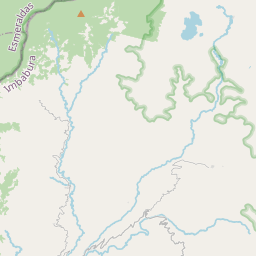
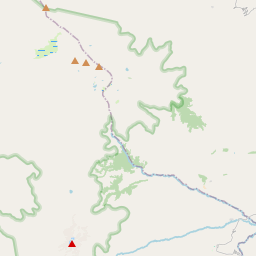
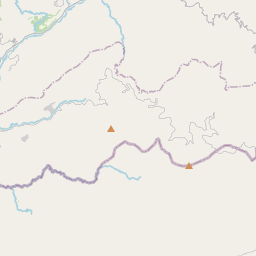
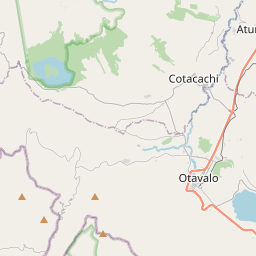
On the map
Last price
—
Floor price
—
7-day median
—
30-day sales
0
30-day range
—
In circulation
0
Price history
median
low – high
sales
No sales in this period
Show table
| Date | median | Low | High | sales |
|---|
Sales history
- Last sale
- —
- 30-day average
- —
- 30-day low
- —
- 30-day high
- —
- Sales 7d
- 0
- Sales 30d
- 0
No sales yet.
Anonymous sales: no buyer or seller shown. Figures count player-to-player sales only.
From Wikipedia
Cuicocha (Kichwa: Kuykucha 'lake of guinea pigs' or Kuychikucha 'rainbow lake') is a 3 km (1.9 mi) wide caldera and crater lake at the foot of Cotacachi Volcano in the Cordillera Occidental of the Ecuadorian Andes. Its name comes from the Kichwa indigenous language and means "Lago del Cuy" or Guinea Pig Lake in English. It was given this name due to the guinea pig shape of the largest Island in the middle of the laguna. These animals play a significant part in the everyday life of Ecuadorians, as they reproduce rapidly and need a minimum of food and care to survive. They make for a high protein meal especially for populations living in high altitude. The caldera was created by a massive eruption about 3100 years ago that generated about 5 cubic kilometres (6.54 billion cubic yards) of pyroclastic flow and covered the surrounding area in volcanic ash up to 20 cm (8 inches) deep. Activity continued until 650 CE. In combination with other eruptions from nearby Imbabura, Mojanda, Cotacachi, and Cayambe, Cuicocha is responsible for the fertile soil of the Otavalo Valley. Cuicocha lake, a crater lake within the Cuicocha caldera contains four dacitic lava domes which form two steep forested islands: Yerovi, the smaller, and Teodoro Wolf, the larger. People are prohibited on both. The rim of the caldera is extremely steep — so steep, in fact, that the accumulation of sediment is insufficient for most hydrophyte vegetation. An older lava dome from the Pleistocene forms part of the eastern rim. The lake, which is 200 m (656 ft) deep at its deepest point, is highly alkaline and contains little life. It has no known outlet. The intra-caldera islands, on the other hand, support some wildlife, most notably the silvery grebe, which lives around the reeds and...
Text: Wikipédia, CC BY-SA 4.0. · Image: Wikimedia Commons (CC BY-SA 3.0) ·
Related cards

Lake Palcacocha
Lake in Peru
Nº Q1806749 ★★★

Copahue
Stratovolcano nestled on the border between Argentina and Chile
Nº Q312930 ★★

Chungará Lake
Lake
Nº Q287760 ★★★

Pichincha (volcano)
Volcano in Quito Metro, Ecuador
Nº Q742216 ★★★

General Carrera Lake
Lake in Patagonia, between Argentina and Chile
Nº Q503842 ★★★

Lake Junin
Lake in Peru
Nº Q941342 ★★