
Downtown Eastside
Neighbourhood in Vancouver, British Columbia, Canada
The Downtown Eastside (DTES) is a neighbourhood in Vancouver, British Columbia, Canada. One of the city's oldest neighbourhoods, the DTES is the site of a complex set of social issues, including disproportionately high levels of drug use, homelessness, poverty, crime, mental illness and sex work.
Nº Q1068356 ★★
Uncommon · Places
Downtown Eastside
Neighbourhood in Vancouver, British Columbia, Canada
The Downtown Eastside (DTES) is a neighbourhood in Vancouver, British Columbia, Canada. One of the city's oldest neighbourhoods, the DTES is the site of a complex set of social issues, including disproportionately high levels of drug use, homelessness, poverty, crime, mental illness and sex work.
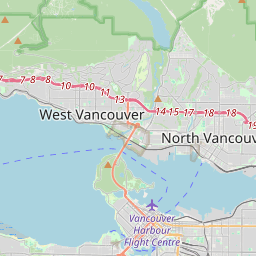
On the map
Last price
—
Floor price
—
7-day median
—
30-day sales
0
30-day range
—
In circulation
0
Price history
median
low – high
sales
No sales in this period
Show table
| Date | median | Low | High | sales |
|---|
Sales history
- Last sale
- —
- 30-day average
- —
- 30-day low
- —
- 30-day high
- —
- Sales 7d
- 0
- Sales 30d
- 0
No sales yet.
Anonymous sales: no buyer or seller shown. Figures count player-to-player sales only.
From Wikipedia
The Downtown Eastside (DTES) is a neighbourhood in Vancouver, British Columbia, Canada. One of the city's oldest neighbourhoods, the DTES is the site of a complex set of social issues, including disproportionately high levels of drug use, homelessness, poverty, crime, mental illness and sex work. Around the beginning of the 20th century, the DTES was Vancouver's political, cultural and retail centre. Over several decades, the city centre gradually shifted westwards, and the DTES became a poor, albeit relatively stable, neighbourhood. In the 1980s, the area began a rapid decline due to several factors, including an influx of hard drugs, policies that pushed sex work and drug-related activity out of nearby areas, and the cessation of federal funding for social housing. By 1997, an epidemic of HIV infection and drug overdoses in the DTES led to the declaration of a public health emergency. As of 2018, critical issues include opioid overdoses, especially those involving the drug fentanyl; decrepit and squalid housing; a shortage of low-cost rental housing; and mental illness, which often co-occurs with addiction. The population of the DTES is estimated to be around 7,000 people. Compared to the city, the neighbourhood is home to a significant Indigenous population, which reflects the ongoing impacts of colonial displacement and systemic inequities that have shaped the area’s demographics. Additionally, historical factors such as de-institutionalization, housing shortages, and limited access to mental health care have contributed to the concentration of poverty and substance use in the community. Residents experience Canada's highest rate of death from encounters with police, and there is mutual mistrust between police and many residents experiencing homelessness. Since Vancouver's real-estate boom began in the early 21st century, the area has been increasingly experiencing gentrification. Some see gentrification as a force for revitalization, while others believe it has led to higher...
Text: Wikipédia, CC BY-SA 4.0. · Image: Bobanny (Public domain) ·
Related cards

Downtown Vancouver
Neighbourhood of Vancouver, Canada
Nº Q1076204 ★

Lower East Side
Neighborhood in Manhattan, New York City, United States
Nº Q1511813 ★★★

Granville Island
Peninsula (formerly an island) in Vancouver, British Columbia, Canada
Nº Q1231423 ★★

Vancouver
Largest city in the province of British Columbia, Canada
Nº Q24639 ★★★★★

West Vancouver
District municipality of British Columbia, Canada
Nº Q991329 ★★

Greater Vancouver
Metropolitan area in British Columbia, Canada
Nº Q5600798 ★★