
El-Habs
Valley in Modi'in-Maccabim-Re'ut, Israel
El-Habs (Arabic: احبس), nicknamed Valley of the Monks (Hebrew: בקעת הנזירים, Bik'at HaNezirim) is a site of a cave which served Christian monastic chambers, on the channel of the Gimzo Stream. It is situated at the foot of Horbat Zekhariya and together with Horbat Kelah form a complex of archaeological sites in the hills of Modi'in-Maccabim-Re'ut, in the territory of Ben Shemen Forest.
Nº Q6804015 ★★★
Rare · Places
El-Habs
Valley in Modi'in-Maccabim-Re'ut, Israel
El-Habs (Arabic: احبس), nicknamed Valley of the Monks (Hebrew: בקעת הנזירים, Bik'at HaNezirim) is a site of a cave which served Christian monastic chambers, on the channel of the Gimzo Stream. It is situated at the foot of Horbat Zekhariya and together with Horbat Kelah form a complex of archaeological sites in the hills of Modi'in-Maccabim-Re'ut, in the territory of Ben Shemen Forest.
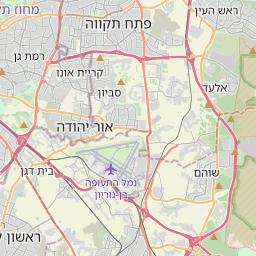
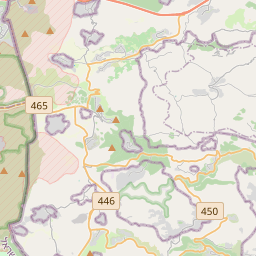
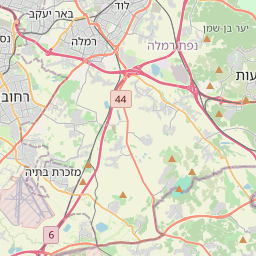
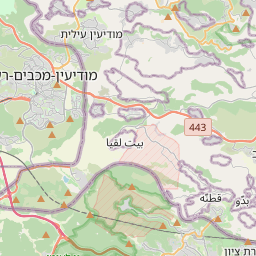
On the map
Last price
—
Floor price
—
7-day median
—
30-day sales
0
30-day range
—
In circulation
0
Price history
median
low – high
sales
No sales in this period
Show table
| Date | median | Low | High | sales |
|---|
Sales history
- Last sale
- —
- 30-day average
- —
- 30-day low
- —
- 30-day high
- —
- Sales 7d
- 0
- Sales 30d
- 0
No sales yet.
Anonymous sales: no buyer or seller shown. Figures count player-to-player sales only.
From Wikipedia
El-Habs (Arabic: احبس), nicknamed Valley of the Monks (Hebrew: בקעת הנזירים, Bik'at HaNezirim) is a site of a cave which served Christian monastic chambers, on the channel of the Gimzo Stream. It is situated at the foot of Horbat Zekhariya and together with Horbat Kelah form a complex of archaeological sites in the hills of Modi'in-Maccabim-Re'ut, in the territory of Ben Shemen Forest. The site serves today as picnic point, with several hiking and bicycle trails passing by. Apart from the caves are other features. To the northwest is water reservoir, next to which the remains of a small settlement dating to the Byzantine period (330–636 CE). To the east a sculpted, rock-cut burial cave with five burials, dating to the Roman period (1st century BCE to 1st century CE). Most of the sites are related to Christian activity in the region. The site was explored by 19th century researchers from France and the United Kingdom, and by Israeli archaeologists in the 90s.
Text: Wikipédia, CC BY-SA 4.0. · Image: Bukvoed (CC BY 4.0) ·
Related cards

Zwijndrecht, Netherlands
Municipality of the Netherlands
Nº Q244692 ★★★

Dutchess County, New York
County in New York, United States
Nº Q115148 ★★★

Lawrence, Massachusetts
City in Essex County, Massachusetts, United States
Nº Q49163 ★★★

Rishikesh
City in Uttarakhand, India
Nº Q502141 ★★★

Rabat, Malta
Town near Mdina, Malta
Nº Q44381 ★★★

Portillo, Valladolid
Municipality in Spain
Nº Q1919648 ★★★