
Föhr
Island in North Frisia, Germany
Föhr (German pronunciation: [føːɐ̯] ; Fering North Frisian: Feer; Danish: Før) is one of the North Frisian Islands on the German coast of the North Sea. It is part of the Nordfriesland district in the federal state of Schleswig-Holstein.
Nº Q3127 ★★★★★
Ultra Rare · Places
Föhr
Island in North Frisia, Germany
Föhr (German pronunciation: [føːɐ̯] ; Fering North Frisian: Feer; Danish: Før) is one of the North Frisian Islands on the German coast of the North Sea. It is part of the Nordfriesland district in the federal state of Schleswig-Holstein.
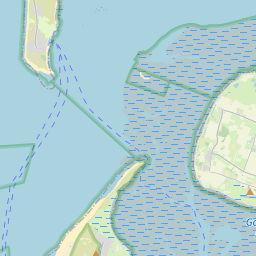
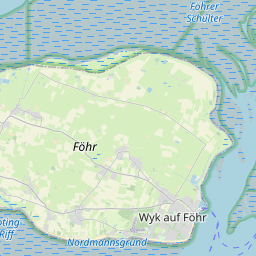
On the map
Last price
—
Floor price
—
7-day median
—
30-day sales
0
30-day range
—
In circulation
0
Price history
median
low – high
sales
No sales in this period
Show table
| Date | median | Low | High | sales |
|---|
Sales history
- Last sale
- —
- 30-day average
- —
- 30-day low
- —
- 30-day high
- —
- Sales 7d
- 0
- Sales 30d
- 0
No sales yet.
Anonymous sales: no buyer or seller shown. Figures count player-to-player sales only.
From Wikipedia
Föhr (German pronunciation: [føːɐ̯] ; Fering North Frisian: Feer; Danish: Før) is one of the North Frisian Islands on the German coast of the North Sea. It is part of the Nordfriesland district in the federal state of Schleswig-Holstein. Föhr is the second-largest North Sea island of Germany and a popular destination for tourists. A town and eleven distinct municipalities are located on the island. The climate is oceanic with moderate winters and relatively cool summers. Being a settlement area already in Neolithic times, Föhr had been part of mainland North Frisia until 1362. Then the coastline was destroyed by a heavy storm flood known as Saint Marcellus's flood (Middle Low German: Grote Mandrenke, 'Great Drowning of Men') and several islands were formed, Föhr among them. The northern parts of Föhr consist of marshes while the southern parts consist of sandy geest. From the middle-ages until 1864, Föhr belonged to the Danish realm and to the Duchy of Schleswig, but was then transferred to Prussia as a result of the Second Schleswig War. Seafaring has long been the most popular trade, but farming and eventually tourism became the most important economic factors after the end of the Age of Sail. The island can be reached by a car and passenger ferry service or via an airstrip. Apart from German, a dialect of the North Frisian language, Fering, is frequently spoken on Föhr. Several authors and poets have also written in Fering.
Text: Wikipédia, CC BY-SA 4.0. · Image: Wikimedia Commons (Public domain) ·
Related cards

North Frisian Islands
Group of islands in the Wadden Sea
Nº Q27937 ★★★★

Nordfriesland (district)
District in Schleswig-Holstein state, Germany
Nº Q2937 ★★★★

Amrum
Island in North Frisia, Germany
Nº Q3136 ★★★★★
Sylt
German island in the North Sea
Nº Q3107 ★★★★★

Wangerooge
Municipality in Germany
Nº Q25135 ★★★★★

Fehmarn
Urban municipality in Germany
Nº Q3172 ★★★★★