Fahil
Village in Syria
Fahil (Arabic: فاحل) is a town in central Syria, administratively part of the Homs Governorate, located 45 kilometers (28 mi) northwest of Homs. Fahel lies in a long valley surrounded by mountains in the basaltic region of Jabal al-Helou with elevations ranging from 850–1,100 meters (2,790–3,610 ft) above sea level.
Nº Q5429545 ★★
Uncommon · Places
Fahil
Village in Syria
Fahil (Arabic: فاحل) is a town in central Syria, administratively part of the Homs Governorate, located 45 kilometers (28 mi) northwest of Homs. Fahel lies in a long valley surrounded by mountains in the basaltic region of Jabal al-Helou with elevations ranging from 850–1,100 meters (2,790–3,610 ft) above sea level.
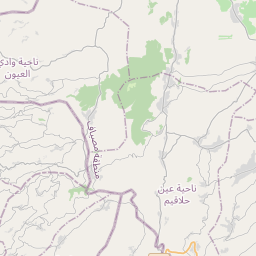
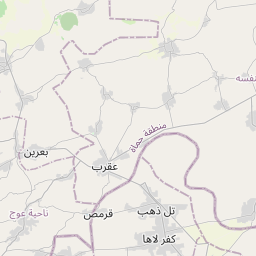
On the map


Last price
—
Floor price
—
7-day median
—
30-day sales
0
30-day range
—
In circulation
0
Price history
median
low – high
sales
No sales in this period
Show table
| Date | median | Low | High | sales |
|---|
Sales history
- Last sale
- —
- 30-day average
- —
- 30-day low
- —
- 30-day high
- —
- Sales 7d
- 0
- Sales 30d
- 0
No sales yet.
Anonymous sales: no buyer or seller shown. Figures count player-to-player sales only.
From Wikipedia
Fahil (Arabic: فاحل) is a town in central Syria, administratively part of the Homs Governorate, located 45 kilometers (28 mi) northwest of Homs. Fahel lies in a long valley surrounded by mountains in the basaltic region of Jabal al-Helou with elevations ranging from 850–1,100 meters (2,790–3,610 ft) above sea level. On the village's eastern end, where the mountains slope lower, lies the road connecting it with Homs. Nearby localities include Taldou and Kafr Laha to the northeast and al-Qabu to the west. According to the Central Bureau of Statistics (CBS), Fahil had a population of 5,775 in the 2004 census. Fahel was relatively self-sufficient in basic services, including primary and secondary education, healthcare, telephone and postal offices. The village is well known for growing apples, which cover 5,580 dunams and produce an average annual of 20,000 tons. Olives are the next major crop, followed by grapes and figs. Around 2008, the village mayor Badr Ali noted the village had recently seen increased modernization, including the use of tractors for agricultural transport, and the spread of cement construction, replacing older homes made of brick, mud and stone.
Text: Wikipédia, CC BY-SA 4.0. ·


