
Frying Pan Lake
Hot spring in Bay of Plenty Region, New Zealand
Frying Pan Lake (renamed Waimangu Cauldron in 1963 though not widely used) is the world's largest hot spring. It is located in the Echo Crater of the Waimangu Volcanic Rift Valley, New Zealand and its acidic water maintains a temperature of about 50 to 60 °C (122–140 °F).
Nº Q913465 ★
Common · Places
Frying Pan Lake
Hot spring in Bay of Plenty Region, New Zealand
Frying Pan Lake (renamed Waimangu Cauldron in 1963 though not widely used) is the world's largest hot spring. It is located in the Echo Crater of the Waimangu Volcanic Rift Valley, New Zealand and its acidic water maintains a temperature of about 50 to 60 °C (122–140 °F).
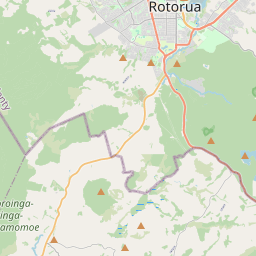
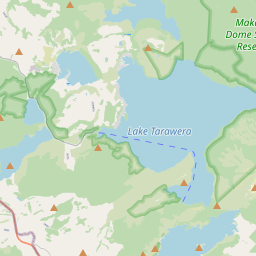
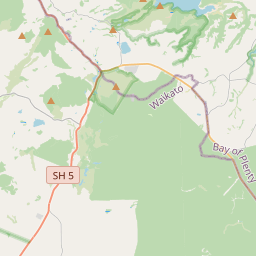
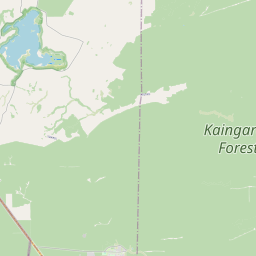
On the map
Last price
—
Floor price
—
7-day median
—
30-day sales
0
30-day range
—
In circulation
0
Price history
median
low – high
sales
No sales in this period
Show table
| Date | median | Low | High | sales |
|---|
Sales history
- Last sale
- —
- 30-day average
- —
- 30-day low
- —
- 30-day high
- —
- Sales 7d
- 0
- Sales 30d
- 0
No sales yet.
Anonymous sales: no buyer or seller shown. Figures count player-to-player sales only.
From Wikipedia
Frying Pan Lake (renamed Waimangu Cauldron in 1963 though not widely used) is the world's largest hot spring. It is located in the Echo Crater of the Waimangu Volcanic Rift Valley, New Zealand and its acidic water maintains a temperature of about 50 to 60 °C (122–140 °F). The Lake covers 38,000 square metres (9.4 acres) in part of the volcanic crater and the shallow lake is only 5.5 metres (18 ft) deep, but at vents, it can go down to 18.3 metres (60 ft). Echo Crater was formed as part of the 1886 Mount Tarawera eruption, which opened several craters along a 17-kilometre (11 mi) rift stretching southwest from Mount Tarawera to the nearby Southern Crater. After this event, the crater's floor partly filled with rainwater and heated groundwater, but it was not until after a large eruption in Echo Crater on 1 April 1917 that the resulting larger crater filled up from hot springs to reach its current size by mid-1918. The most recent eruption in Echo Crater occurred on 22 February 1973, destroying the Trinity Terrace area on the south-eastern shore of Frying Pan Lake. An area of colourful sinter terraces is still visible on the western shore of the lake. To the north, the lake is bounded by the steaming Cathedral Rocks. This monolithic rock structure is composed of rhyolitic lava at least 60,000 years old and was named Gibraltar Rock until the 1917 Echo Crater eruption completely changed its shape. A fumarole known as the Devil's Blowhole in the northern wall of Echo Crater also disappeared in that event. The water of Frying Pan Lake is typically steaming and can appear to be boiling, due to carbon dioxide and hydrogen sulphide gas bubbling to the surface, but the lake's average temperature is 55 °C (131...
Text: Wikipédia, CC BY-SA 4.0. · Image: famelor (CC BY-SA 3.0) ·
Related cards

Grand Prismatic Spring
Natural hot spring within Yellowstone National Park
Nº Q1422831 ★★★

Okama Crater Lake
Lake in Japan
Nº Q11489343 ★★★

Mount Zaō
Mountain in Miyagi Prefecture, Japan
Nº Q167951 ★★★

Wah Wah Springs Caldera
Caldera in the state of Utah
Nº Q106223207 ★★

Pink and White Terraces
Destroyed land formation in New Zealand
Nº Q1814018 ★★

Makgadikgadi Pan
Salt pan landscape in Botswana
Nº Q533041 ★★