
Fuji River
River in Japan
The Fuji River (富士川, Fuji-kawa or Fuji-gawa) is a Class A river in Yamanashi and Shizuoka Prefectures of central Japan. It is 128 kilometres (80 mi) long and has a watershed of 3,990 square kilometres (1,540 sq mi).
Nº Q596110 ★★★
Rare · Places
Fuji River
River in Japan
The Fuji River (富士川, Fuji-kawa or Fuji-gawa) is a Class A river in Yamanashi and Shizuoka Prefectures of central Japan. It is 128 kilometres (80 mi) long and has a watershed of 3,990 square kilometres (1,540 sq mi).
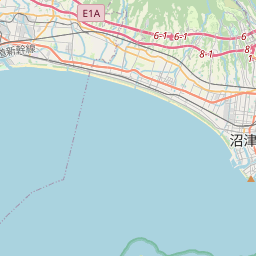
On the map

Last price
—
Floor price
—
7-day median
—
30-day sales
0
30-day range
—
In circulation
0
Price history
median
low – high
sales
No sales in this period
Show table
| Date | median | Low | High | sales |
|---|
Sales history
- Last sale
- —
- 30-day average
- —
- 30-day low
- —
- 30-day high
- —
- Sales 7d
- 0
- Sales 30d
- 0
No sales yet.
Anonymous sales: no buyer or seller shown. Figures count player-to-player sales only.
From Wikipedia
The Fuji River (富士川, Fuji-kawa or Fuji-gawa) is a Class A river in Yamanashi and Shizuoka Prefectures of central Japan. It is 128 kilometres (80 mi) long and has a watershed of 3,990 square kilometres (1,540 sq mi). Along with the Mogami River in Yamagata and the Kuma River in Kumamoto, it is regarded as having one of the three most rapid flows of Japan. The river arises from Mount Nokogiri in the Akaishi Mountains in northwest Yamanashi as the Kamanashi River (釜無川, Kamanashi-gawa), and meets the Fuefuki River at the town of Ichikawamisato where it changes its name to the Fuji River. It then flows around the west foot of Mount Fuji and into Suruga Bay at its mouth in the city of Fuji. The banks of the Fuji River was the location of the Battle of Fujikawa in 1180, one of the most important early battles of the Genpei War. The Sengoku period warlord Takeda Shingen built extensive dikes along the Kamanashi portion of the river, which allowed water to flood buffer zones to control damage. These dikes still exist, and are called the Shingen-zutsumi (信玄堤). Flood control efforts continued under the Tokugawa shogunate of the Edo period, when extensive dikes were completed in 1674 after 50 years of construction, to divert the lower river away from populated areas, which were prone to flooding. Water transportation up the river from Suruga Bay to inland Kai Province prospered in the Edo period and early Meiji period, until the opening of the Tōkaidō Main Line, Chūō Main Line and Fuji Minobu Railway railways. Commercial river transport ceased in 1923. There are numerous dams for hydroelectric power generation and flood control along the various tributaries in the upper reaches of the river. The Fuji River also marks the divide of Japan's...
Text: Wikipédia, CC BY-SA 4.0. · Image: Ans~jawiki at Japanese Wikipedia (CC BY-SA 3.0) ·
Related cards

Fuefuki River
River in Japan
Nº Q11599751 ★★
Three Fastest Rivers in Japan
River in Japan
Nº Q11507113 ★★★

Shinano River
Longest river of Japan
Nº Q734455 ★★★★

Yoshino River
River in Kochi and Tokushima prefectures, Japan
Nº Q979774 ★★★

Shimanto River
River in Kochi prefecture, Japan
Nº Q124878 ★★★

Fuji Mountain Race
Nº Q11456116 ★★