
Garden Tomb
Antique tomb in Jerusalem, considered by some to be the tomb of Jesus
The Garden Tomb (Arabic: بستان قبر المسيح, romanized: Bustān Qabr al-Masīḥ, lit. 'the Garden of the Tomb of Christ'; Hebrew: גן הקבר, romanized: Gan ha-Kéver, lit. 'Garden of the Tomb') is an ancient rock-cut tomb surrounded by a garden, right outside the walls of ancient Jerusalem, that functions as a site of Christian pilgrimage attracting hundreds of thousands of annual visitors, especially Evangelicals and other Protestants, as some Protestant Christians consider it to be the empty tomb where Jesus of Nazareth resurrected. This is in contra...
Nº Q1494672 ★★
Uncommon · Places
Garden Tomb
Antique tomb in Jerusalem, considered by some to be the tomb of Jesus
The Garden Tomb (Arabic: بستان قبر المسيح, romanized: Bustān Qabr al-Masīḥ, lit. 'the Garden of the Tomb of Christ'; Hebrew: גן הקבר, romanized: Gan ha-Kéver, lit. 'Garden of the Tomb') is an ancient rock-cut tomb surrounded by a garden, right outside the walls of ancient Jerusalem, that functions as a site of Christian pilgrimage attracting hundreds of thousands of annual visitors, especially Evangelicals and other Protestants, as some Protestant Christians consider it to be the empty tomb where Jesus of Nazareth resurrected. This is in contra...
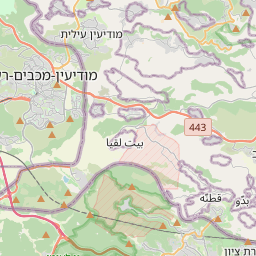
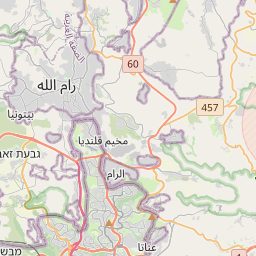
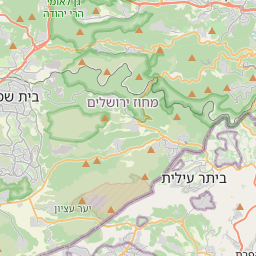
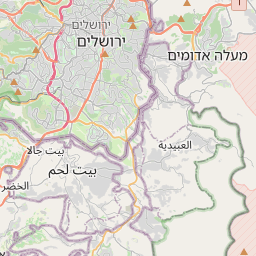
On the map
Last price
—
Floor price
—
7-day median
—
30-day sales
0
30-day range
—
In circulation
0
Price history
median
low – high
sales
No sales in this period
Show table
| Date | median | Low | High | sales |
|---|
Sales history
- Last sale
- —
- 30-day average
- —
- 30-day low
- —
- 30-day high
- —
- Sales 7d
- 0
- Sales 30d
- 0
No sales yet.
Anonymous sales: no buyer or seller shown. Figures count player-to-player sales only.
From Wikipedia
The Garden Tomb (Arabic: بستان قبر المسيح, romanized: Bustān Qabr al-Masīḥ, lit. 'the Garden of the Tomb of Christ'; Hebrew: גן הקבר, romanized: Gan ha-Kéver, lit. 'Garden of the Tomb') is an ancient rock-cut tomb surrounded by a garden, right outside the walls of ancient Jerusalem, that functions as a site of Christian pilgrimage attracting hundreds of thousands of annual visitors, especially Evangelicals and other Protestants, as some Protestant Christians consider it to be the empty tomb where Jesus of Nazareth resurrected. This is in contrast to an older tradition that locates the death, burial, and resurrection of Jesus at a site roughly 600 metres (0.37 mi) to the south known as Golgotha and located within the Church of the Holy Sepulchre. The Garden Tomb and its surrounding gardens are adjacent to a rocky outcrop known as Skull Hill (Arabic: تلة الجمجمة, romanized: Tallat al-Jumjumah; Hebrew: גבעת הגולגולת, romanized: Giv'át ha-Gulgólet). In the mid-nineteenth century, some Christian scholars proposed that Skull Hill is Golgotha, where the Romans crucified Jesus. A few decades later, in 1867, the Garden Tomb was discovered and later proposed to be the tomb of Jesus. More recently, the Israeli archaeologist Gabriel Barkay points out that the tomb does not contain any features indicative of the 1st century CE, when Jesus was buried, and argues that the tomb is likely to have been created in the 8th–7th centuries BCE. The Italian archeologist Riccardo Lufrani argues instead that it should be dated to the Hellenistic era, the 4th–2nd centuries BCE. The re-use of old tombs was not an uncommon practice in ancient times, but this would seem to contradict the biblical text that speaks of a newly hewn tomb which Joseph of Arimathea made for himself (Matthew 27:57–60, John 19:41). The organization that owns and maintains the Garden...
Text: Wikipédia, CC BY-SA 4.0. · Image: Gary Todd from Xinzheng, China (CC0) ·
Related cards

Tomb of Absalom
Ancient monumental rock-cut tomb in East Jerusalem
Nº Q331729 ★★

Tomb
Burial place
Nº Q381885 ★★★

Tombs of the Sanhedrin
Underground complex of 63 rock-cut tombs in Jerusalem
Nº Q3531182 ★★★

Tomb of Jesse and Ruth
Ancient tomb, synagogue and archaeological site in Hebron
Nº Q12410948 ★★★★

Mamilla Cemetery
Abandoned Muslim cemetery outside Mamila pool Jerusalem.
Nº Q1383277 ★★★

Talpiot Tomb
Grave south of Jerusalem, Israel
Nº Q540882 ★★