
Great Zimbabwe
Ruined city in the south-eastern hills of Zimbabwe near Lake Mutirikwe and the town of Masvingo, was once the capital of the Kingdom of Zimbabwe during the country's Late Iron Age
Great Zimbabwe was a city in the south-eastern hills of the modern country of Zimbabwe, near Masvingo. It was settled from around 1000 AD, and served as the capital of the Kingdom of Great Zimbabwe from the 13th century. It is the largest stone structure in precolonial Southern Africa.
Nº Q209217 ★★★
Rare · Places
Great Zimbabwe
Ruined city in the south-eastern hills of Zimbabwe near Lake Mutirikwe and the town of Masvingo, was once the capital of the Kingdom of Zimbabwe during the country's Late Iron Age
Great Zimbabwe was a city in the south-eastern hills of the modern country of Zimbabwe, near Masvingo. It was settled from around 1000 AD, and served as the capital of the Kingdom of Great Zimbabwe from the 13th century. It is the largest stone structure in precolonial Southern Africa.
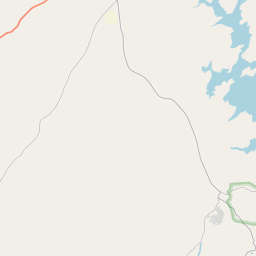
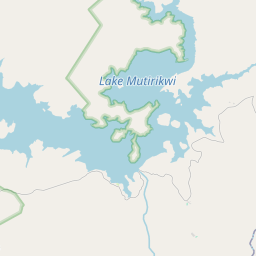
On the map


Last price
—
Floor price
—
7-day median
—
30-day sales
0
30-day range
—
In circulation
0
Price history
median
low – high
sales
No sales in this period
Show table
| Date | median | Low | High | sales |
|---|
Sales history
- Last sale
- —
- 30-day average
- —
- 30-day low
- —
- 30-day high
- —
- Sales 7d
- 0
- Sales 30d
- 0
No sales yet.
Anonymous sales: no buyer or seller shown. Figures count player-to-player sales only.
From Wikipedia
Great Zimbabwe was a city in the south-eastern hills of the modern country of Zimbabwe, near Masvingo. It was settled from around 1000 AD, and served as the capital of the Kingdom of Great Zimbabwe from the 13th century. It is the largest stone structure in precolonial Southern Africa. Major construction on the city began in the 11th century and continued until the 15th century. The city was abandoned in the 16th or 17th century. The edifices were erected by ancestors of the Shona people, who are currently located in Zimbabwe and nearby countries. The stone city spans an area of 7.22 square kilometres (2.79 mi2). Population estimates vary. Earlier estimates suggest a peak population of around 20,000 people. A recent study using archaeological, ethnographic, and historical evidence, along with statistical modeling, suggests that the site's population did not exceed 10,000 people. The Zimbabwe state centred on it likely covered 50,000 km² (19,000 sq mi). It is recognised as a World Heritage Site by UNESCO. The site of Great Zimbabwe is composed of the Hill Complex, the Valley Complex, and the Great Enclosure (constructed at different times). It also contained area for commoner housing within the perimeter walls. Scholars disagree on the functions of the complexes. Some believe these to have been residences for the royals and elites at different periods of the site, while others infer them to have had separate functions. The Great Enclosure, with its 11 m (36 ft) high dry stone walls (that is, constructed without mortar), was built during the 13th and 14th centuries, and likely served as the royal residence, with demarcated public spaces for rituals. The first confirmed visits by Europeans were in the late 19th century, with investigations of the site starting in 1871. Great Zimbabwe and surrounding sites were looted by...
Text: Wikipédia, CC BY-SA 4.0. · Image: Wikimedia Commons (CC BY-SA 3.0) ·
Related cards

Zimbabwe
Sovereign state in southern Africa
Nº Q954 ★★★★★

Kingdom of Mapungubwe
1075–1220) pre-colonial state in Southern Africa located at the confluence of the Shashe and Limpopo rivers, south of Great Zimbabwe
Nº Q98085401 ★★

Harare
Capital and largest city of Zimbabwe
Nº Q3921 ★★★★

Kingdom of Great Zimbabwe
Medieval kingdom in Africa
Nº Q596092 ★★

Bulawayo
City in Zimbabwe
Nº Q193250 ★★★

Mutare
City in Zimbabwe
Nº Q399322 ★