
Horvat 'Eqed
Archaeological site in Judea and Samaria Area, Israel
Khirbet el-ʻAqd (Arabic: خربه العقد) or Horvat ʻEqed (Hebrew: חורבת עקד) is an archaeological site in the Latrun salient of the West Bank, approximately 22 km northwest of Jerusalem. The site, situated on a hill, contains the ruins of an ancient fortified town dating from the Hellenistic period through the Bar Kokhba Revolt (130s CE), after which the site was ultimately abandoned.
Nº Q20502583 ★★
Uncommon · Places
Horvat 'Eqed
Archaeological site in Judea and Samaria Area, Israel
Khirbet el-ʻAqd (Arabic: خربه العقد) or Horvat ʻEqed (Hebrew: חורבת עקד) is an archaeological site in the Latrun salient of the West Bank, approximately 22 km northwest of Jerusalem. The site, situated on a hill, contains the ruins of an ancient fortified town dating from the Hellenistic period through the Bar Kokhba Revolt (130s CE), after which the site was ultimately abandoned.
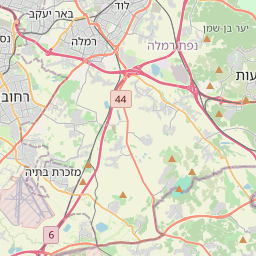
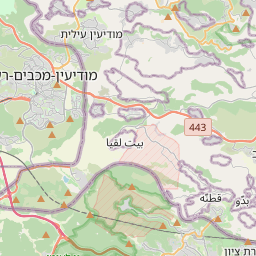
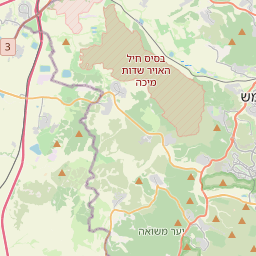
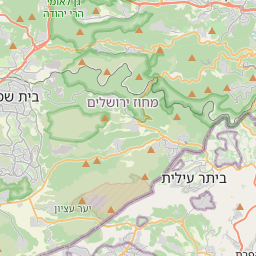
On the map
Last price
—
Floor price
—
7-day median
—
30-day sales
0
30-day range
—
In circulation
0
Price history
median
low – high
sales
No sales in this period
Show table
| Date | median | Low | High | sales |
|---|
Sales history
- Last sale
- —
- 30-day average
- —
- 30-day low
- —
- 30-day high
- —
- Sales 7d
- 0
- Sales 30d
- 0
No sales yet.
Anonymous sales: no buyer or seller shown. Figures count player-to-player sales only.
From Wikipedia
Khirbet el-ʻAqd (Arabic: خربه العقد) or Horvat ʻEqed (Hebrew: חורבת עקד) is an archaeological site in the Latrun salient of the West Bank, approximately 22 km northwest of Jerusalem. The site, situated on a hill, contains the ruins of an ancient fortified town dating from the Hellenistic period through the Bar Kokhba Revolt (130s CE), after which the site was ultimately abandoned. The site has yielded significant finds, including robust fortifications constructed during the Hellenistic period, possibly by the Seleucid general Bacchides. These defenses were subsequently strengthened during the Bar Kokhba Revolt, suggesting the site's potential role as a major rebel stronghold during that period. Further discoveries from this revolt include hiding complexes and coins used by the Jewish rebel state. Notable among the findings are Jewish ritual baths, as well as remnants of weaponry such as armor scales, slingshots, ballistae and arrowheads. Khirbet el-ʻAqd is believed to be the site of the Hellenistic and early Roman-period town of Emmaus, with the name later shifting to a newer, larger city situated on the slopes, 2 km away from the original location.
Text: Wikipédia, CC BY-SA 4.0. · Image: Zipi Or Meir (ציפי אור מאיר) (CC BY-SA 3.0) ·
Related cards
Khirbet el-'Ormeh
Archaeological site in Palestine
Nº Q30527603 ★★★

Horvat Rimmon
City in the Hebrew Bible
Nº Q7036743 ★★

Horvat 'Anim
Archaeological site in Israel
Nº Q4764711 ★★★

Khirbet el-Hammam (Narbata)
Archaeological site
Nº Q7031098 ★★

Khirbet Qeiyafa
Archaeological site
Nº Q910323 ★
Khirbet Kheibar
Archaeological site in the West Bank
Nº Q6928049 ★★