
Huaca Pucllana
Archaeological site
Huaca Pucllana, or Huaca Juliana, is a great adobe and clay pyramid located in the Miraflores district of central Lima, Peru, built from seven staggered platforms. It served as an important ceremonial and administrative center for the advancement of the Lima Culture, a society which developed in the Peruvian Central Coast between the years of 200 AD and 700 AD.
Nº Q677387 ★★★★
Super Rare · Places
Huaca Pucllana
Archaeological site
Huaca Pucllana, or Huaca Juliana, is a great adobe and clay pyramid located in the Miraflores district of central Lima, Peru, built from seven staggered platforms. It served as an important ceremonial and administrative center for the advancement of the Lima Culture, a society which developed in the Peruvian Central Coast between the years of 200 AD and 700 AD.
On the map
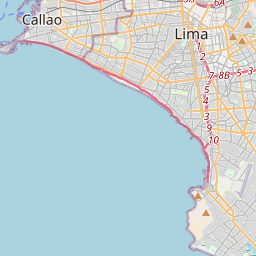
Last price
—
Floor price
—
7-day median
—
30-day sales
0
30-day range
—
In circulation
0
Price history
median
low – high
sales
No sales in this period
Show table
| Date | median | Low | High | sales |
|---|
Sales history
- Last sale
- —
- 30-day average
- —
- 30-day low
- —
- 30-day high
- —
- Sales 7d
- 0
- Sales 30d
- 0
No sales yet.
Anonymous sales: no buyer or seller shown. Figures count player-to-player sales only.
From Wikipedia
Huaca Pucllana, or Huaca Juliana, is a great adobe and clay pyramid located in the Miraflores district of central Lima, Peru, built from seven staggered platforms. It served as an important ceremonial and administrative center for the advancement of the Lima Culture, a society which developed in the Peruvian Central Coast between the years of 200 AD and 700 AD. With the intended purpose of having the elite clergymen (who politically governed several valleys in the area) express their complete religious power and ability to control the use of all the natural water resources (saltwater and freshwater) of the zone, a Great Pyramid was constructed in the Huaca. As a whole, the structure is surrounded by a plaza, or central square, that borders the outer limits, and by a large structured wall dividing it into two separate sections. In one section there were benches and evidence of deep pits where offerings of fish and other marine life took place in order to attain the favor of the gods. The other section is an administrative area. This area contains various small clay structures and huts made of adobe—with some walls still standing—whose function seemed to be to act as the courtyards and patios of the enclosure which is over 500 meters in length, 100 in width and 22 in height. Other remains have been uncovered belonging to the Wari Culture (500–1000 AD), which was a direct influence on the Lima Culture society towards the ends of its time period. Of particular note are the remains of the "Señor de los Unkus" (The Lord of the Unkus), which belonged to the first tomb within the ceremonial center to have been discovered completely intact. This tomb holds three separate burial shrouds containing the remains of three adults, two of which have masks, and...
Text: Wikipédia, CC BY-SA 4.0. · Image: McKay Savage (CC BY 2.0) ·
Related cards

Huacas del Sol y de la Luna
Nº Q139502599 ★★★

Nazca culture
Civilization
Nº Q210570 ★★★★

Caral
Archaeological site in Peru
Nº Q219279 ★★★★

Pachacamac
Archaeological site in Peru
Nº Q430563 ★★★

Kotosh
Archaeological site near the town of Huánuco, Peru
Nº Q2669852 ★★★

Juliaca
Capital city of San Román, Puno, Peru
Nº Q696074 ★★★★