
Ifugao
Province of the Philippines
Ifugao, officially the Province of Ifugao (Ilocano: Probinsia ti Ifugao; Tagalog: Lalawigan ng Ifugao), is a landlocked province of the Philippines in the Cordillera Administrative Region in Luzon. Its capital is Lagawe and it borders Benguet to the west, Mountain Province to the north, Isabela to the east, and Nueva Vizcaya to the south.
Nº Q13812 ★
Common · Places
Ifugao
Province of the Philippines
Ifugao, officially the Province of Ifugao (Ilocano: Probinsia ti Ifugao; Tagalog: Lalawigan ng Ifugao), is a landlocked province of the Philippines in the Cordillera Administrative Region in Luzon. Its capital is Lagawe and it borders Benguet to the west, Mountain Province to the north, Isabela to the east, and Nueva Vizcaya to the south.
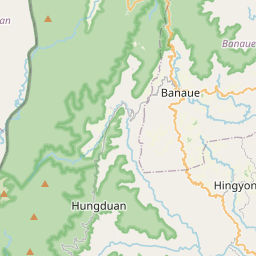
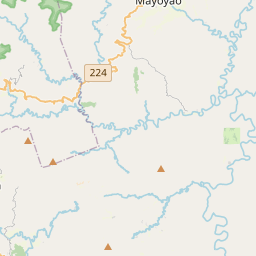
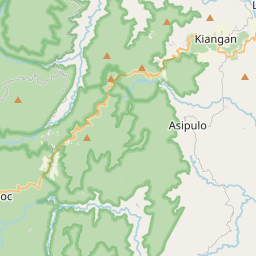
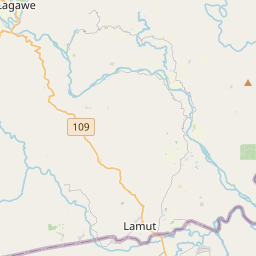
On the map
Last price
—
Floor price
—
7-day median
—
30-day sales
0
30-day range
—
In circulation
0
Price history
median
low – high
sales
No sales in this period
Show table
| Date | median | Low | High | sales |
|---|
Sales history
- Last sale
- —
- 30-day average
- —
- 30-day low
- —
- 30-day high
- —
- Sales 7d
- 0
- Sales 30d
- 0
No sales yet.
Anonymous sales: no buyer or seller shown. Figures count player-to-player sales only.
From Wikipedia
Ifugao, officially the Province of Ifugao (Ilocano: Probinsia ti Ifugao; Tagalog: Lalawigan ng Ifugao), is a landlocked province of the Philippines in the Cordillera Administrative Region in Luzon. Its capital is Lagawe and it borders Benguet to the west, Mountain Province to the north, Isabela to the east, and Nueva Vizcaya to the south. The Rice Terraces of the Philippine Cordilleras and Banaue Rice Terraces are the main tourist attractions in the province. These terraces are believed to have been hand-carved into the mountains 2,000 years ago to plant rice. However, recent research by carbon dating suggests that they were built much later. In 1995, the Rice Terraces of the Philippine Cordilleras were declared as a UNESCO World Heritage Site. In 2008 and 2015, the Hudhud chants of the Ifugao and the Punnuk (Tugging rituals and games) were inscribed in the UNESCO Intangible Cultural Heritage Lists.
Text: Wikipédia, CC BY-SA 4.0. · Image: Ericmontalban (CC BY-SA 3.0) ·
Related cards

Banaue Rice Terraces
Rice terraces in the Cordillera region, Philippines
Nº Q826551 ★★

Benguet
Province of the Philippines
Nº Q13750 ★★

Ifugao people
People
Nº Q1543654 ★

Cordillera Administrative Region
Administrative region of the Philippines
Nº Q13606 ★★

Abra (province)
Province of the Philippines
Nº Q13711 ★★

Ilocos Norte
Province of the Philippines
Nº Q13813 ★★