
Judaean Desert
Desert in the southern Levant
The Judaean Desert or Judean Desert (Hebrew: מִדְבַּר יְהוּדָה, romanized: Midbar Yehuda, Arabic: برية الخليل, romanized: Bariyat al-Khalil) is a desert in the West Bank and Israel that stretches east of the ridge of the Judaean Mountains and in their rain shadow, so east of Jerusalem, and descends to the Dead Sea. The Judaean Desert has historically functioned as a place of refuge for rebels and displaced populations.
Nº Q2046004 ★★
Uncommon · Places
Judaean Desert
Desert in the southern Levant
The Judaean Desert or Judean Desert (Hebrew: מִדְבַּר יְהוּדָה, romanized: Midbar Yehuda, Arabic: برية الخليل, romanized: Bariyat al-Khalil) is a desert in the West Bank and Israel that stretches east of the ridge of the Judaean Mountains and in their rain shadow, so east of Jerusalem, and descends to the Dead Sea. The Judaean Desert has historically functioned as a place of refuge for rebels and displaced populations.
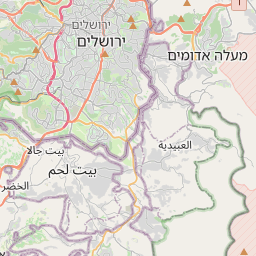
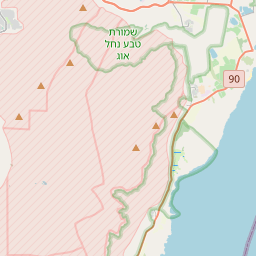
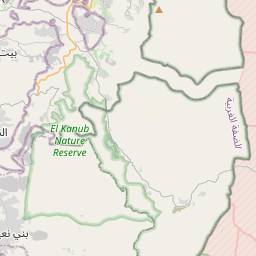
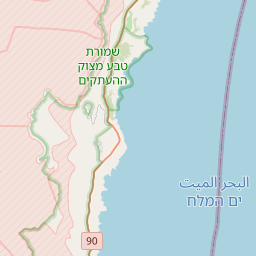
On the map
Last price
—
Floor price
—
7-day median
—
30-day sales
0
30-day range
—
In circulation
0
Price history
median
low – high
sales
No sales in this period
Show table
| Date | median | Low | High | sales |
|---|
Sales history
- Last sale
- —
- 30-day average
- —
- 30-day low
- —
- 30-day high
- —
- Sales 7d
- 0
- Sales 30d
- 0
No sales yet.
Anonymous sales: no buyer or seller shown. Figures count player-to-player sales only.
From Wikipedia
The Judaean Desert or Judean Desert (Hebrew: מִדְבַּר יְהוּדָה, romanized: Midbar Yehuda, Arabic: برية الخليل, romanized: Bariyat al-Khalil) is a desert in the West Bank and Israel that stretches east of the ridge of the Judaean Mountains and in their rain shadow, so east of Jerusalem, and descends to the Dead Sea. The Judaean Desert has historically functioned as a place of refuge for rebels and displaced populations. According to the Hebrew Bible, David took shelter there while fleeing from King Saul. The Hasmonean rulers of Judaea, and their successor, Herod the Great, built several monumental fortresses in the region, including Herodium, Hyrcania, and Masada. In the period of the Jewish–Roman Wars, the desert became a key theater of conflict, with Roman forces besieging major strongholds. Caves in the area, such as the Cave of Letters and the Cave of Horrors, later served as hiding places for Jewish refugees, preserving personal documents, religious texts, skeletons, weapons, clothing, and household items—thanks to the region's arid climate. The desert also attracted religious sects, including the classical-era Jewish ascetics of Qumran (likely Essenes) and Byzantine-era Christian monks who practiced spiritual isolation in local lavras. Under the name El-Bariyah, it has been nominated to the Tentative List of World Heritage Sites in the West Bank and Israel, particularly for its monastic ruins.
Text: Wikipédia, CC BY-SA 4.0. · Image: The original uploader was Effib at Hebrew Wikipedia. (CC BY-SA 3.0) ·
Related cards

Herodium
Mountain in the West Bank
Nº Q913099 ★★

Masada
Archaeological site in southeastern Israel
Nº Q186312 ★★★★

Kingdom of Judah
Israelite Kingdom, whose capital was Jerusalem and Hebron, c. 930–586 BCE
Nº Q48685 ★★★★★

Geography of Israel
Overview of the geography of Israel
Nº Q1616635 ★★★

Mojave Desert
Desert in southwestern United States
Nº Q184355 ★★★★

Arabah
Area south of the Dead Sea basin in Israel and Jordan
Nº Q626682 ★★