
Kawah Putih
Tourist spot in Indonesia
Kawah Putih (Sundanese: ᮊᮝᮂ ᮕᮥᮒᮤᮂ) (English: White Crater) is a crater lake and tourist spot in a volcanic crater about 50 kilometres (31 mi) south of Bandung, West Java, Indonesia. Kawah Putih Lake (7.10° S 107.24° E) is one of the two craters that make up Mount Patuha, an andesitic stratovolcano (a "composite" volcano).
Nº Q2749763 ★
Common · Places
Kawah Putih
Tourist spot in Indonesia
Kawah Putih (Sundanese: ᮊᮝᮂ ᮕᮥᮒᮤᮂ) (English: White Crater) is a crater lake and tourist spot in a volcanic crater about 50 kilometres (31 mi) south of Bandung, West Java, Indonesia. Kawah Putih Lake (7.10° S 107.24° E) is one of the two craters that make up Mount Patuha, an andesitic stratovolcano (a "composite" volcano).
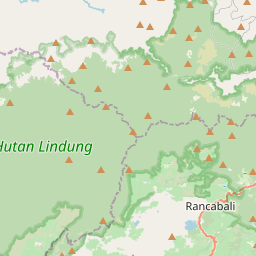
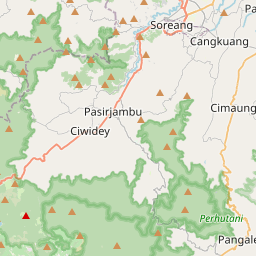
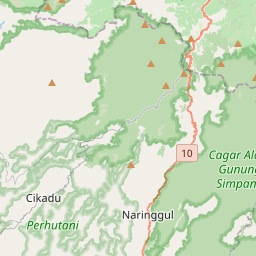
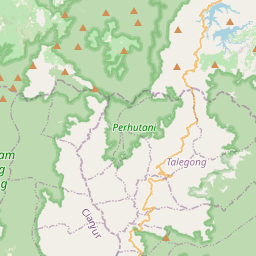
On the map
Last price
—
Floor price
—
7-day median
—
30-day sales
0
30-day range
—
In circulation
0
Price history
median
low – high
sales
No sales in this period
Show table
| Date | median | Low | High | sales |
|---|
Sales history
- Last sale
- —
- 30-day average
- —
- 30-day low
- —
- 30-day high
- —
- Sales 7d
- 0
- Sales 30d
- 0
No sales yet.
Anonymous sales: no buyer or seller shown. Figures count player-to-player sales only.
From Wikipedia
Kawah Putih (Sundanese: ᮊᮝᮂ ᮕᮥᮒᮤᮂ) (English: White Crater) is a crater lake and tourist spot in a volcanic crater about 50 kilometres (31 mi) south of Bandung, West Java, Indonesia. Kawah Putih Lake (7.10° S 107.24° E) is one of the two craters that make up Mount Patuha, an andesitic stratovolcano (a "composite" volcano). Mount Patuha is one of numerous volcanoes in Java. Kawah Putih Crater Lake itself represents a relatively stable volcanic system with no record of significant activity since around 1600. The Kawah Putih site was opened to visitors in 1987. The lake is 2,430 metres (7,970 ft) above sea level, where temperatures are frequently around 10 °C (50 °F). This makes a brisk change from the humidity of the north Java plain and the capital city of Jakarta. Kawah Putih is a sizeable highly acid lake (pH 0.5-1.3) that changes colour from bluish to whitish green, or brown, depending on the concentration of sulfur and the temperature or the oxidation state. The sand and rocks surrounding the lake have been also leached into whitish colours through interaction with the acidic lake waters (with possible mineral precipitation as well).
Text: Wikipédia, CC BY-SA 4.0. · Image: Franz Wilhelm JunghuhnThe original uploader was Geoethno at... (Public domain) ·
Related cards

Mount Patuha
Mountain in Indonesia
Nº Q1373835 ★★★★

Talagabodas
Stratovolcano in West Java, Indonesia
Nº Q126717 ★★★

Mount Kamojang
Mountain in West Java, Indonesia
Nº Q2181214 ★★★

Kawah Ijen acid lake
Highly acidic volcanic lake
Nº Q97241059 ★★★
Kayu Putih
Subdistrict in East Jakarta City, Jakarta, Indonesia
Nº Q12490018 ★★★

Mount Wayang-Windu
Mountain in West Java, Indonesia
Nº Q2854575 ★★★★