
Kebbi State
State in Nigeria
Kebbi State (Hausa: Jihar Kebbi; Fulfulde: Leydi Kebbi 𞤤𞤫𞤴𞤣𞤭 𞤳𞤫𞤦𞥆𞤭) is a state in northwestern Nigeria, bordered to the east and north by the states of Sokoto and Zamfara, and to the south by Niger State while its western border forms part of the national borders with Benin Republic and Niger. Named for the city of Birnin Kebbi—the state's capital and largest city—Kebbi State was formed from a part of Sokoto State on 27 August 1991.
Nº Q748523 ★
Common · Places
Kebbi State
State in Nigeria
Kebbi State (Hausa: Jihar Kebbi; Fulfulde: Leydi Kebbi 𞤤𞤫𞤴𞤣𞤭 𞤳𞤫𞤦𞥆𞤭) is a state in northwestern Nigeria, bordered to the east and north by the states of Sokoto and Zamfara, and to the south by Niger State while its western border forms part of the national borders with Benin Republic and Niger. Named for the city of Birnin Kebbi—the state's capital and largest city—Kebbi State was formed from a part of Sokoto State on 27 August 1991.
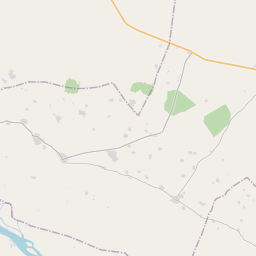
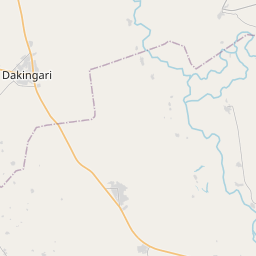
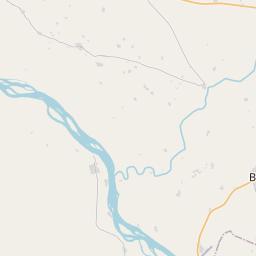
On the map
Last price
—
Floor price
—
7-day median
—
30-day sales
0
30-day range
—
In circulation
0
Price history
median
low – high
sales
No sales in this period
Show table
| Date | median | Low | High | sales |
|---|
Sales history
- Last sale
- —
- 30-day average
- —
- 30-day low
- —
- 30-day high
- —
- Sales 7d
- 0
- Sales 30d
- 0
No sales yet.
Anonymous sales: no buyer or seller shown. Figures count player-to-player sales only.
From Wikipedia
Kebbi State (Hausa: Jihar Kebbi; Fulfulde: Leydi Kebbi 𞤤𞤫𞤴𞤣𞤭 𞤳𞤫𞤦𞥆𞤭) is a state in northwestern Nigeria, bordered to the east and north by the states of Sokoto and Zamfara, and to the south by Niger State while its western border forms part of the national borders with Benin Republic and Niger. Named for the city of Birnin Kebbi—the state's capital and largest city—Kebbi State was formed from a part of Sokoto State on 27 August 1991. Of the 36 states of Nigeria, Kebbi is the tenth largest in area and 17th most populous with an estimated population of about 6 million as of 2023. Geographically, the state is within the tropical West Sudanian savanna ecoregion. Important geographic features include the Sokoto River which flows through Kebbi into the River Niger, which continues south before reaching Kainji Lake. Among the state's nature are a number of fish species exhibited during the massive Argungu Fishing Festival along with hippopotamus, West African manatee, and transient African bush elephant populations. Ethnically, Kebbi is inhabited by various ethnic groups, with the Fulani, Hausa, and Zarma peoples living throughout the state while the Achipa (Achipawa), Boko-Bala, Dendi, Dukawa, Kambari, Kamuku, Lela, Puku, and Shanga peoples live along the state's diverse western and southern borders. Religiously, the majority of the state's population (~84%) are Muslims while the remaining are followers of Christianity and traditional religions like Bori. In the pre-colonial period, the area that is now Kebbi State was mainly controlled by the Kebbi Kingdom, a Hausa Banza bakwai state, until the early 1800s when Fulani jihadists seized part of the area and attempted to incorporate it into the Gwandu Emirate under the Sokoto Caliphate. Over the next century, Kebbi rulers fought Sokoto on-and-off until the 1900s and 1910s, when the British seized control of the area...
Text: Wikipédia, CC BY-SA 4.0. · Image: Ibrahim Muhammad Habibu (CC BY-SA 4.0) ·


