
KV55
Ancient Egyptian tomb
KV55 is a tomb in the Valley of the Kings in Egypt. It was discovered by Edward R. Ayrton in 1907 while he was working in the Valley for Theodore M. Davis.
Nº Q1636434 ★★
Uncommon · Places
KV55
Ancient Egyptian tomb
KV55 is a tomb in the Valley of the Kings in Egypt. It was discovered by Edward R. Ayrton in 1907 while he was working in the Valley for Theodore M. Davis.
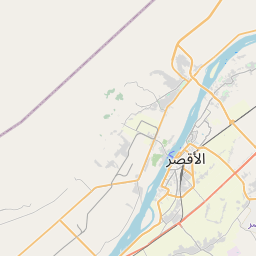
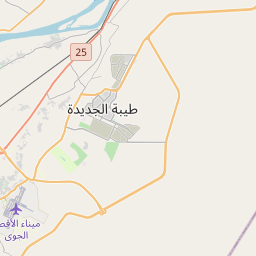
On the map
Last price
—
Floor price
—
7-day median
—
30-day sales
0
30-day range
—
In circulation
0
Price history
median
low – high
sales
No sales in this period
Show table
| Date | median | Low | High | sales |
|---|
Sales history
- Last sale
- —
- 30-day average
- —
- 30-day low
- —
- 30-day high
- —
- Sales 7d
- 0
- Sales 30d
- 0
No sales yet.
Anonymous sales: no buyer or seller shown. Figures count player-to-player sales only.
From Wikipedia
KV55 is a tomb in the Valley of the Kings in Egypt. It was discovered by Edward R. Ayrton in 1907 while he was working in the Valley for Theodore M. Davis. It has long been speculated, as well as much disputed, that the body found in this tomb was that of the famous king, Akhenaten, who moved the capital to Akhetaten (modern-day Amarna). The results of genetic and other scientific tests published in February 2010 have suggested that the person buried there was both the son of Amenhotep III and the father of Tutankhamun. Furthermore, the study established that the age of this person at the time of his death was consistent with that of Akhenaten, thereby making it almost certain that it is Akhenaten's body. However, a growing body of work soon began to appear to dispute the assessment of the age of the mummy and the identification of KV55 as Akhenaten. Both the tomb's history and the identification of its single occupant have been problematic. It is presumed to be a royal cache and reburial dating from the late eighteenth dynasty, prepared after the abandonment of Amarna and the dismantling of the royal necropolis there. On the basis of the recovered artifacts, it is also suggested that the burial once contained more than a single occupant, either interred on one occasion or over a period of time. Queen Tiye is most often named in this context. It is also clear that the tomb was re-opened at a later time, almost certainly during the twentieth dynasty. At that time, any additional, hypothetical occupants of the tomb may have been removed, while the remaining mummy and some of the other artefacts were desecrated and abandoned. The tomb is often referred to as the "Amarna cache", given the mixed nature...
Text: Wikipédia, CC BY-SA 4.0. · Image: Hans Ollermann (CC BY 2.0) ·
Related cards

KV44
Ancient Egyptian tomb
Nº Q1661091 ★★★

KV5
Ancient Egyptian tomb
Nº Q1348082 ★★

KV34
Ancient Egyptian tomb for Thutmose III
Nº Q1719144 ★

KV7
Ancient Egyptian tomb
Nº Q1051476 ★★

The Younger Lady
Mummy identified as the mother of the Pharaoh Tutankhamun
Nº Q516435 ★★★

Great Hymn to the Aten
Ancient Egyptian literary work
Nº Q737001 ★★