
Lübeck
City in Schleswig-Holstein in northern Germany
Lübeck (German: [ˈlyːbɛk] ; Low German: Lübęk or Lübeek [ˈlyːbeːk]; Latin: Lubeca), officially the Hanseatic City of Lübeck (German: Hansestadt Lübeck), is a city in Northern Germany. With around 220,000 inhabitants, it is the second-largest city on the German Baltic coast and the second-largest city in the state of Schleswig-Holstein, after its capital, Kiel.
Nº Q2843 ★★★★★★
Legendary · Places
Lübeck
City in Schleswig-Holstein in northern Germany
Lübeck (German: [ˈlyːbɛk] ; Low German: Lübęk or Lübeek [ˈlyːbeːk]; Latin: Lubeca), officially the Hanseatic City of Lübeck (German: Hansestadt Lübeck), is a city in Northern Germany. With around 220,000 inhabitants, it is the second-largest city on the German Baltic coast and the second-largest city in the state of Schleswig-Holstein, after its capital, Kiel.
On the map
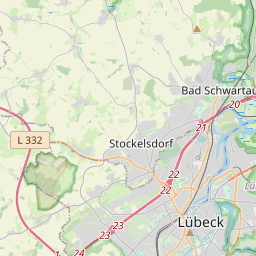
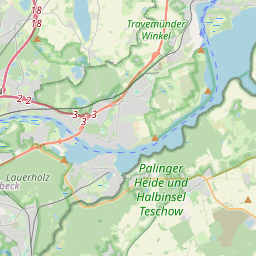
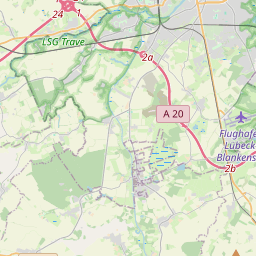
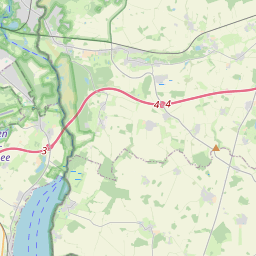
Last price
—
Floor price
—
7-day median
—
30-day sales
0
30-day range
—
In circulation
0
Price history
median
low – high
sales
No sales in this period
Show table
| Date | median | Low | High | sales |
|---|
Sales history
- Last sale
- —
- 30-day average
- —
- 30-day low
- —
- 30-day high
- —
- Sales 7d
- 0
- Sales 30d
- 0
No sales yet.
Anonymous sales: no buyer or seller shown. Figures count player-to-player sales only.
From Wikipedia
Lübeck (German: [ˈlyːbɛk] ; Low German: Lübęk or Lübeek [ˈlyːbeːk]; Latin: Lubeca), officially the Hanseatic City of Lübeck (German: Hansestadt Lübeck), is a city in Northern Germany. With around 220,000 inhabitants, it is the second-largest city on the German Baltic coast and the second-largest city in the state of Schleswig-Holstein, after its capital, Kiel. It is the 36th-largest city in Germany. The city lies in the Holsatian part of Schleswig-Holstein, at the mouth of the Trave, which flows into the Bay of Lübeck in the borough of Travemünde, and on the Trave's tributary Wakenitz. The island with the historic old town and the districts north of the Trave are also located in the historical region of Wagria. Lübeck is the southwesternmost city on the Baltic Sea, and the closest point of access to the Baltic from Hamburg. The city lies in the Holsatian dialect area of Low German. Before 819, Polabian Slavs founded a settlement which they called Liubice at the confluence of the Schwartau and the Trave. By the 10th century, Liubice was the second-most important settlement of the Obotrites after Starigard. Lübeck was granted Soest city rights in 1160, and, in 1260, it became an immediate city within the Holy Roman Empire. In the middle of the 12th century, Lübeck developed into the cradle of the Hanseatic League, of which it was considered the de facto capital and most important city from then on. The Lübeck law was eventually adopted by around 100 cities in the Baltic region. Lübeck preserved its status as an independent city, which it had held since 1226, until 1937. Lübeck's historic old town, located on a densely built-up island, is Germany's most extensive UNESCO World Heritage Site. With six church towers surpassing 100 metres (330 ft), Lübeck has more such towers than any...
Text: Wikipédia, CC BY-SA 4.0. · Image: Christian Wolf (www.c-w-design.de) (CC BY-SA 3.0 de) ·
Related cards

Bay of Lübeck
Bay
Nº Q700309 ★★★

Lübeck Hauptbahnhof
Main railway station serving the Hanseatic city of Lübeck, in the German state of Schleswig-Holstein
Nº Q564926 ★★★

Schleswig-Holstein
State in Northern Germany
Nº Q1194 ★★★★★★

Travemünde
Seaport and borough of Lübeck, Schleswig-Holstein, Germany
Nº Q321792 ★★★★

Lüneburg
Town and capital of the Lüneburg district in Lower Saxony, Germany
Nº Q3920 ★★★★★

Kiel
German city, capital of Schleswig-Holstein
Nº Q1707 ★★★★★