
Lake Elton
Russian salt lake and the largest in Europe
Lake Elton (Russian: Эльтон; Kazakh: Эльтон, romanized: Elton) is a salt lake in Volgograd Oblast, Russia, near the border with Kazakhstan. It has an area of 152 square kilometres (59 sq mi) and is normally about 0.1 metres (4 in) deep, and about 0.7 to 0.8 metres (28 to 31 in) in spring.
Nº Q1101008 ★★★★
Super Rare · Places
Lake Elton
Russian salt lake and the largest in Europe
Lake Elton (Russian: Эльтон; Kazakh: Эльтон, romanized: Elton) is a salt lake in Volgograd Oblast, Russia, near the border with Kazakhstan. It has an area of 152 square kilometres (59 sq mi) and is normally about 0.1 metres (4 in) deep, and about 0.7 to 0.8 metres (28 to 31 in) in spring.
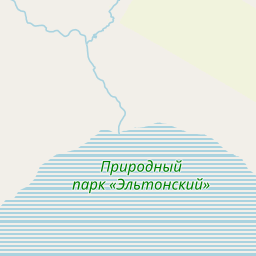
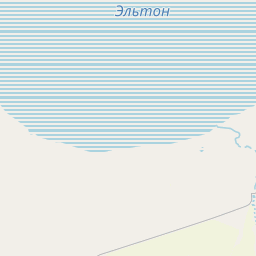
On the map
Last price
—
Floor price
—
7-day median
—
30-day sales
0
30-day range
—
In circulation
0
Price history
median
low – high
sales
No sales in this period
Show table
| Date | median | Low | High | sales |
|---|
Sales history
- Last sale
- —
- 30-day average
- —
- 30-day low
- —
- 30-day high
- —
- Sales 7d
- 0
- Sales 30d
- 0
No sales yet.
Anonymous sales: no buyer or seller shown. Figures count player-to-player sales only.
From Wikipedia
Lake Elton (Russian: Эльтон; Kazakh: Эльтон, romanized: Elton) is a salt lake in Volgograd Oblast, Russia, near the border with Kazakhstan. It has an area of 152 square kilometres (59 sq mi) and is normally about 0.1 metres (4 in) deep, and about 0.7 to 0.8 metres (28 to 31 in) in spring. Its surface is 18 metres (60 ft) below sea level. The lake's name originates from the Mongol language: “Altyn-Nor” (Golden Bottom). Long ago local nomads used the lake's mineral-rich mud for skin and respiratory treatments. For centuries, Lake Elton was a favorite location for Russian rulers and nobles. One can still see remnants of Catherine II's "bath” there. It is the largest mineral lake in Europe and one of the most mineralized in the world. The lake is filled with a saturated salt solution. Mineralization is 200–500 grams per litre (27–67 oz/US gal). Salt, extracted from the lake since the early 18th century, is used for the production of magnesium chloride. The water contains Dunaliella salina algae that give a reddish shade to the lake. At the bottom of the lake are salt deposits (mainly NaCl, KCl) and beneath them, a layer of mineral hydrogen sulfide mud.
Text: Wikipédia, CC BY-SA 4.0. · Image: Medvedevphoto (Владимир Медведев) (CC BY-SA 4.0) ·
Related cards

Lake Baskunchak
Salt lake in Astrakhan Oblast, Russia
Nº Q810395 ★★★★

Lake Teletskoye
Lake in Altai Republic, Russia
Nº Q217109 ★★★★

Vänern
Lake in Sweden
Nº Q173596 ★★★★

Lake Peipus
Lake in Estonia and Russia, including Lake Pihkva
Nº Q19253 ★★★

Volga
River in Russia; the longest river in Europe
Nº Q626 ★★★★★★

Lake Ilmen
Lake in Novgorod Oblast, Russia
Nº Q203462 ★★★★