
Lhoknga
District in Great Aceh Regency, Aceh Province, Indonesia
Lhoknga (Acehnese: Lhôk Nga; Jawoe: تلوق ڠا, pronounced [lʱoʔ ŋa], alternative names Lho'nga, Lho-nga, Lhok Nga) is a town within the district of the same name, in Aceh Besar Regency, Aceh Special Region, Indonesia, located on the western side of the island of Sumatra, 13 km southwest of Banda Aceh. It was completely flattened and destroyed by the 2004 Indian Ocean earthquake and tsunami, where its population dwindled from 7,500 to 400.
Nº Q3535102 ★
Common · Places
Lhoknga
District in Great Aceh Regency, Aceh Province, Indonesia
Lhoknga (Acehnese: Lhôk Nga; Jawoe: تلوق ڠا, pronounced [lʱoʔ ŋa], alternative names Lho'nga, Lho-nga, Lhok Nga) is a town within the district of the same name, in Aceh Besar Regency, Aceh Special Region, Indonesia, located on the western side of the island of Sumatra, 13 km southwest of Banda Aceh. It was completely flattened and destroyed by the 2004 Indian Ocean earthquake and tsunami, where its population dwindled from 7,500 to 400.
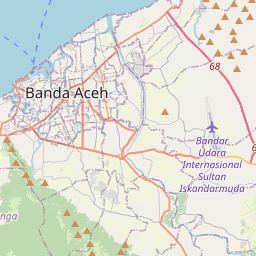
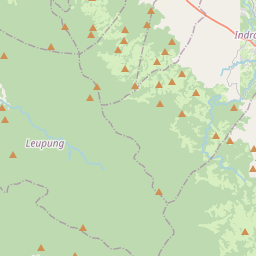
On the map


Last price
—
Floor price
—
7-day median
—
30-day sales
0
30-day range
—
In circulation
0
Price history
median
low – high
sales
No sales in this period
Show table
| Date | median | Low | High | sales |
|---|
Sales history
- Last sale
- —
- 30-day average
- —
- 30-day low
- —
- 30-day high
- —
- Sales 7d
- 0
- Sales 30d
- 0
No sales yet.
Anonymous sales: no buyer or seller shown. Figures count player-to-player sales only.
From Wikipedia
Lhoknga (Acehnese: Lhôk Nga; Jawoe: تلوق ڠا, pronounced [lʱoʔ ŋa], alternative names Lho'nga, Lho-nga, Lhok Nga) is a town within the district of the same name, in Aceh Besar Regency, Aceh Special Region, Indonesia, located on the western side of the island of Sumatra, 13 km southwest of Banda Aceh. It was completely flattened and destroyed by the 2004 Indian Ocean earthquake and tsunami, where its population dwindled from 7,500 to 400. Tsunami runups following eyewitness accounts of waves were recorded being 35 m in height (waves landing at the height of 35 m), Such high and fast waves arising from the epicentre by megathrusts were later found to be due to splay faults, secondary faults arising due to cracking of the sea floor to jut upwards in seconds, causing waves' speed and height to increase.
Text: Wikipédia, CC BY-SA 4.0. · Image: Unknown authorUnknown author (CC BY-SA 3.0) ·
Related cards

Leupung
District in Great Aceh Regency, Aceh Province, Indonesia
Nº Q2042350 ★★★

2016 Aceh earthquake
Earthquake in Sumatra, Indonesia
Nº Q27970555 ★★★

Calang
Village in Indonesia
Nº Q2474681 ★★★

Lhokseumawe
City in Aceh Province, Indonesia
Nº Q5784 ★★★★★

North Aceh Regency
Regency in Aceh Province, Indonesia
Nº Q5750 ★★★★

Teunom
District in Aceh Jaya Regency, Aceh Province, Indonesia
Nº Q2180483 ★★