
Liang Bua
Indonesian cave
Liang Bua is a limestone cave on the island of Flores, Indonesia, slightly north of the town of Ruteng in Manggarai Regency, East Nusa Tenggara. The cave demonstrated archaeological and paleontological potential in the 1950s and 1960s as described by the Dutch missionary and archaeologist Theodor L. Verhoeven.
Nº Q1822737 ★
Common · Places
Liang Bua
Indonesian cave
Liang Bua is a limestone cave on the island of Flores, Indonesia, slightly north of the town of Ruteng in Manggarai Regency, East Nusa Tenggara. The cave demonstrated archaeological and paleontological potential in the 1950s and 1960s as described by the Dutch missionary and archaeologist Theodor L. Verhoeven.
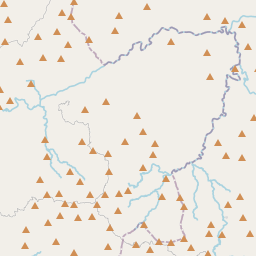
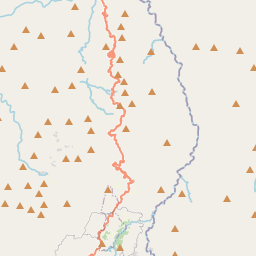
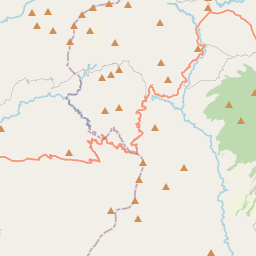
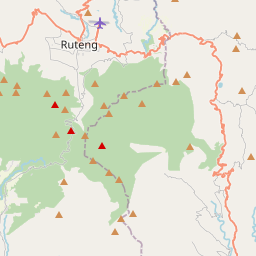
On the map
Last price
—
Floor price
—
7-day median
—
30-day sales
0
30-day range
—
In circulation
0
Price history
median
low – high
sales
No sales in this period
Show table
| Date | median | Low | High | sales |
|---|
Sales history
- Last sale
- —
- 30-day average
- —
- 30-day low
- —
- 30-day high
- —
- Sales 7d
- 0
- Sales 30d
- 0
No sales yet.
Anonymous sales: no buyer or seller shown. Figures count player-to-player sales only.
From Wikipedia
Liang Bua is a limestone cave on the island of Flores, Indonesia, slightly north of the town of Ruteng in Manggarai Regency, East Nusa Tenggara. The cave demonstrated archaeological and paleontological potential in the 1950s and 1960s as described by the Dutch missionary and archaeologist Theodor L. Verhoeven. In September 2003, an Indonesian field team and its coordinator of the excavation team, Thomas Sutikna, uncovered the first indications of a skull. Initially, the archeologists only analyzed the top of the cranium and due to the small size believed that the skull belonged to a small child. However, Sutikna and his colleagues soon discovered that its teeth were permanent and mature, revealing that it actually belonged to a fully grown adult. After a few weeks, the team had discovered most of this particular hominid's skeleton and later was coded LB1, LB2, etc., after the name of the cave. This skeleton later became the holotype specimen of Homo floresiensis, also known as the "hobbit." Despite the small stature and brain size, Homo floresiensis was capable of using stone tools, hunting animals such as small elephants and rodents, and dealing with many predators such as large komodo dragons. As of 2022, excavations are still being conducted and additional findings such as teeth are being discovered and analyzed.
Text: Wikipédia, CC BY-SA 4.0. · Image: Rosino (CC BY-SA 2.0) ·
Related cards

Homo floresiensis
Extinct species of hominid
Nº Q186266 ★★★★

Wajak crania
Early modern human fossil in Indonesia
Nº Q2128830 ★★★★

Ruteng
District in Manggarai Regency, East Nusa Tenggara Province, Indonesia
Nº Q1708604 ★

Mirror Stone Cave
Cave in Indonesia
Nº Q17255910 ★★★

Lake Linow
Lake in Indonesia
Nº Q1159276 ★★★

Sangiran
Archaeological excavation site in Java in Indonesia
Nº Q842328 ★