
Linqu County
County in Shandong, China
Linqu County (simplified Chinese: 临朐县; traditional Chinese: 臨朐縣; pinyin: Línqú Xiàn) is a county, originally known as "Pianyi", located in the southwest of Weifang and the middle of Shandong Peninsula, Shandong Province, China. Linqu also has the name Zhuxu County.
Nº Q1198208 ★★
Uncommon · Places
Linqu County
County in Shandong, China
Linqu County (simplified Chinese: 临朐县; traditional Chinese: 臨朐縣; pinyin: Línqú Xiàn) is a county, originally known as "Pianyi", located in the southwest of Weifang and the middle of Shandong Peninsula, Shandong Province, China. Linqu also has the name Zhuxu County.
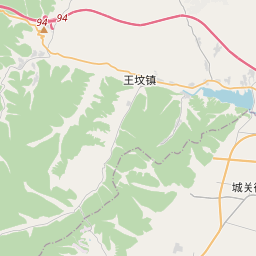
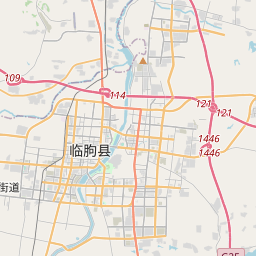
On the map
Last price
—
Floor price
—
7-day median
—
30-day sales
0
30-day range
—
In circulation
0
Price history
median
low – high
sales
No sales in this period
Show table
| Date | median | Low | High | sales |
|---|
Sales history
- Last sale
- —
- 30-day average
- —
- 30-day low
- —
- 30-day high
- —
- Sales 7d
- 0
- Sales 30d
- 0
No sales yet.
Anonymous sales: no buyer or seller shown. Figures count player-to-player sales only.
From Wikipedia
Linqu County (simplified Chinese: 临朐县; traditional Chinese: 臨朐縣; pinyin: Línqú Xiàn) is a county, originally known as "Pianyi", located in the southwest of Weifang and the middle of Shandong Peninsula, Shandong Province, China. Linqu also has the name Zhuxu County. It covers an area of 1,834 km2 (708 sq mi) and governs 937 villages which were grouped into eight townships and two subdistricts. Linqu has a population of 926 thousand (2020). With a long history of over 2000 years since its establishment in the West Han dynasty, Linqu is well known for its beautiful sceneries and rich cultures, such as traditional operas, brush paintings and calligraphy, rare rock arts, Mount Yi National Forest Park, Shanwang National Geography Park, Old Dragon Spring and Shimenfang Park. Its over 210 archeology sites include Dawenkou culture and Longshan culture relics. It was also the site of the Battle of Linqu in 409.
Text: Wikipédia, CC BY-SA 4.0. · Image: Ngguls (CC BY-SA 4.0) ·


