
London Underground
Public rapid transit system in London, UK
The London Underground (also known simply as the Underground or as the Tube) is a rapid transit system serving Greater London and parts of the adjacent home counties of Buckinghamshire, Essex, and Hertfordshire in England. Managed by Transport for London (TfL), the network spans 11 lines and 250 miles (400 km) of track, serving 272 stations.
Nº Q20075 ★★★★
Super Rare · Places
London Underground
Public rapid transit system in London, UK
The London Underground (also known simply as the Underground or as the Tube) is a rapid transit system serving Greater London and parts of the adjacent home counties of Buckinghamshire, Essex, and Hertfordshire in England. Managed by Transport for London (TfL), the network spans 11 lines and 250 miles (400 km) of track, serving 272 stations.
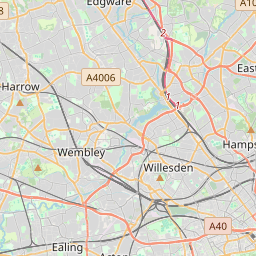
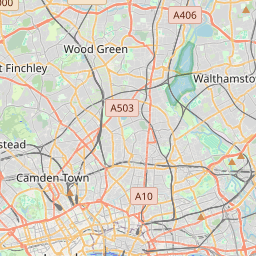
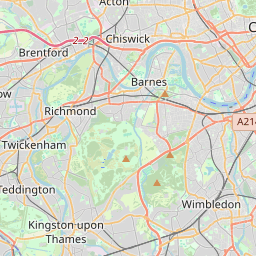
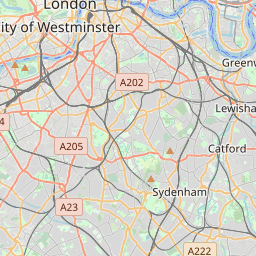
On the map
Last price
—
Floor price
—
7-day median
—
30-day sales
0
30-day range
—
In circulation
0
Price history
median
low – high
sales
No sales in this period
Show table
| Date | median | Low | High | sales |
|---|
Sales history
- Last sale
- —
- 30-day average
- —
- 30-day low
- —
- 30-day high
- —
- Sales 7d
- 0
- Sales 30d
- 0
No sales yet.
Anonymous sales: no buyer or seller shown. Figures count player-to-player sales only.
From Wikipedia
The London Underground (also known simply as the Underground or as the Tube) is a rapid transit system serving Greater London and parts of the adjacent home counties of Buckinghamshire, Essex, and Hertfordshire in England. Managed by Transport for London (TfL), the network spans 11 lines and 250 miles (400 km) of track, serving 272 stations. While the system's nickname originates from its deep-level circular tunnels, only 45% of the network is underground, with the majority of the outer surface tracks located north of the River Thames. It is one of the busiest rapid transit networks in the world, accommodating over 1.2 billion passenger journeys annually in 2024–25. The network has its origins in the Metropolitan Railway, which opened on 10 January 1863 as the world's first underground passenger railway. Early sub-surface lines used the cut-and-cover construction method, later transitioning to deeper, circular "tube" tunnels, which pioneered the use of underground electric traction with the opening of the City and South London Railway in 1890 (now part of the Northern line). Originally owned and operated by competing private companies, these distinct routes were unified under the "Underground" brand in the early 20th century and publicly consolidated in 1933 to form London Transport. The network expanded with post-war additions like the Victoria and Jubilee lines, before management was transferred in 2000 to TfL, under which the system is operated by its subsidiary, London Underground Limited. The system is widely recognised for its influence on graphic design and corporate identity. Under the mid-20th-century leadership of the London Passenger Transport Board, the network pioneered a modernist aesthetic through its unique station architecture, iconic posters, and distinct branding assets. This design legacy includes Edward Johnston's 1916 Johnston typeface, the ubiquitous roundel logo, and Harry Beck's schematic Tube map designed in 1931, which became a...
Text: Wikipédia, CC BY-SA 4.0. · Image: tompagenet (Tom Page) (CC BY-SA 2.0) ·
Related cards
Timeline of the London Underground
Rapid transit system in London, United Kingdom
Nº Q3698541 ★

Tube map
Schematic map of the London Underground network
Nº Q2014543 ★★★

Metropolitan line
London Underground line
Nº Q19891 ★★

History of the London Underground
History of the underground transportation system in London, United Kingdom
Nº Q2757712 ★★★

Northern line
London Underground line
Nº Q214793 ★★★

London Overground
Suburban rail network in Greater London and Hertfordshire
Nº Q746021 ★★★