
Lubenice
Settlement in the Town of Cres, Primorje-Gorski Kotar County, Croatia
Lubenice (Croatian pronunciation: [luběnit͡sɛ], Italian: Lubenizze), historically known as Ljubenice or Zubjenice, is an ancient fortified settlement on the Croatian island of Cres. It sits on a ridge 380 m-high (1,250 ft) above the Adriatic Sea and may have been inhabited as early as 4,000 years ago.
Nº Q3026056 ★★
Uncommon · Places
Lubenice
Settlement in the Town of Cres, Primorje-Gorski Kotar County, Croatia
Lubenice (Croatian pronunciation: [luběnit͡sɛ], Italian: Lubenizze), historically known as Ljubenice or Zubjenice, is an ancient fortified settlement on the Croatian island of Cres. It sits on a ridge 380 m-high (1,250 ft) above the Adriatic Sea and may have been inhabited as early as 4,000 years ago.
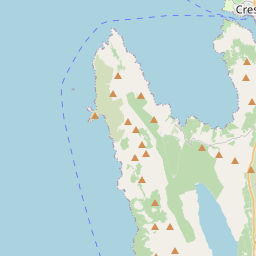
On the map
Last price
—
Floor price
—
7-day median
—
30-day sales
0
30-day range
—
In circulation
0
Price history
median
low – high
sales
No sales in this period
Show table
| Date | median | Low | High | sales |
|---|
Sales history
- Last sale
- —
- 30-day average
- —
- 30-day low
- —
- 30-day high
- —
- Sales 7d
- 0
- Sales 30d
- 0
No sales yet.
Anonymous sales: no buyer or seller shown. Figures count player-to-player sales only.
From Wikipedia
Lubenice (Croatian pronunciation: [luběnit͡sɛ], Italian: Lubenizze), historically known as Ljubenice or Zubjenice, is an ancient fortified settlement on the Croatian island of Cres. It sits on a ridge 380 m-high (1,250 ft) above the Adriatic Sea and may have been inhabited as early as 4,000 years ago. Today, Lubenice is a small local centre with around forty buildings and only six permanent residents. Most of its structures are built from the same stone as the surrounding cliffs. Part of the settlement dates back to the Roman period. The town was once walled, although very little remains of the walls apart from two gates and some of the eastern portion. There are 9 churches in the town; an unusually high number for its population, explained in part by the relative financial independence of the town in the late medieval period. Today, it is almost a ghost town for most of the year, but in the summer it is a prominent tourist destination for its beaches, cliffs and proximity to Lake Vrana.
Text: Wikipédia, CC BY-SA 4.0. · Image: Punxsutawney-phil (CC BY-SA 3.0) ·
Related cards
-

Rovinj
Town and settlement in Istria County, Croatia
Nº Q5316 ★★★★
Not listed
-

Rogoznica
Municipality and settlement in Šibenik-Knin County, Croatia
Nº Q1013147 ★★
Not listed
-

Vrbnik
Municipality and settlement in Primorje-Gorski Kotar County, Croatia
Nº Q1092393 ★★★
Not listed
-

Sveti Petar (island)
Settlement in the Town of Cres, Primorje-Gorski Kotar County, Croatia
Nº Q3443623 ★
Not listed
-

Kraljevica
Town and settlement in Primorje-Gorski Kotar County, Croatia
Nº Q396555 ★★
Not listed
-

Osor, Croatia
Settlement in the Town of Mali Lošinj, Primorje-Gorski Kotar County, Croatia
Nº Q1082831 ★★★
Not listed