
Malolos
City of the Philippines and capital of the province of Bulacan
Malolos [maˈlɔlɔs], officially the City of Malolos (Filipino: Lungsod ng Malolos; Kapampangan: Ciudad/Lakanbalen ning Malolos), is a component city and capital of the province of Bulacan, Philippines. According to the 2024 census, it has a population of 269,809 people.
Nº Q2180 ★
Common · Places
Malolos
City of the Philippines and capital of the province of Bulacan
Malolos [maˈlɔlɔs], officially the City of Malolos (Filipino: Lungsod ng Malolos; Kapampangan: Ciudad/Lakanbalen ning Malolos), is a component city and capital of the province of Bulacan, Philippines. According to the 2024 census, it has a population of 269,809 people.
On the map
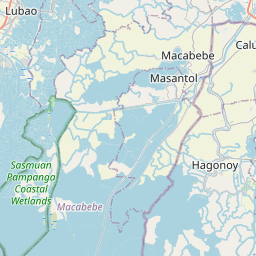
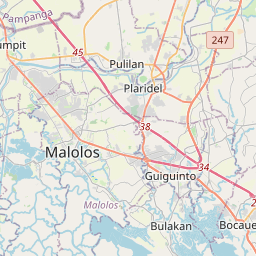
Last price
—
Floor price
—
7-day median
—
30-day sales
0
30-day range
—
In circulation
0
Price history
median
low – high
sales
No sales in this period
Show table
| Date | median | Low | High | sales |
|---|
Sales history
- Last sale
- —
- 30-day average
- —
- 30-day low
- —
- 30-day high
- —
- Sales 7d
- 0
- Sales 30d
- 0
No sales yet.
Anonymous sales: no buyer or seller shown. Figures count player-to-player sales only.
From Wikipedia
Malolos [maˈlɔlɔs], officially the City of Malolos (Filipino: Lungsod ng Malolos; Kapampangan: Ciudad/Lakanbalen ning Malolos), is a component city and capital of the province of Bulacan, Philippines. According to the 2024 census, it has a population of 269,809 people. It is the capital city of the province of Bulacan as the seat of the provincial government. It was the site of the constitutional convention of 1898, known as the Malolos Convention, that led to the establishment of the First Philippine Republic led by Emilio Aguinaldo, at the sanctuary of the Barasoain Church. The convent of the Malolos Cathedral served as the presidential palace at that time. The First Philippine Republic is sometimes characterized as the first proper constitutional republic in Asia, although there were several Asian republics predating it – for example, the Mahajanapadas of ancient India, the Lanfang Republic, the Republic of Formosa, or the Republic of Ezo. Aguinaldo himself had led a number of governments prior to Malolos, like those established at Tejeros and Biak-na-Bato which both styled themselves República de Filipinas ("Republic of the Philippines"). Unlike the founding documents of those governments, however, the Malolos Constitution was duly approved by a partially elected congress and called for a true representative democracy.
Text: Wikipédia, CC BY-SA 4.0. · Image: Tope110383 (CC BY-SA 3.0) ·
Related cards

First Philippine Republic
Self-proclaimed independent republic, 1899–1901
Nº Q1361989 ★★

Bulacan
Province of the Philippines
Nº Q13755 ★★★

Bohol
Province of the Philippines
Nº Q13752 ★★

Felipe Buencamino
Philippine politician
Nº Q15924274 ★

San Jose del Monte
City of the Philippines in the province of Bulacan
Nº Q2193 ★★

Malabon
City of the Philippines in Metro Manila
Nº Q8861 ★