
Mardalsfossen
Waterfall in Nesset, Norway
Mardalsfossen is a waterfall in Molde Municipality in Møre og Romsdal county, Norway. It is sometimes referred to as one of the tallest waterfalls in Europe.
Nº Q1471951 ★
Common · Places
Mardalsfossen
Waterfall in Nesset, Norway
Mardalsfossen is a waterfall in Molde Municipality in Møre og Romsdal county, Norway. It is sometimes referred to as one of the tallest waterfalls in Europe.
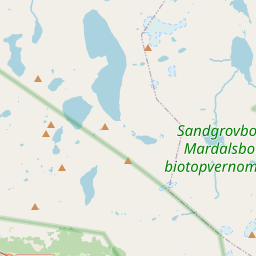
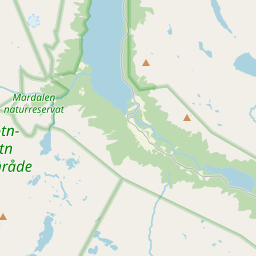
On the map
Last price
—
Floor price
—
7-day median
—
30-day sales
0
30-day range
—
In circulation
0
Price history
median
low – high
sales
No sales in this period
Show table
| Date | median | Low | High | sales |
|---|
Sales history
- Last sale
- —
- 30-day average
- —
- 30-day low
- —
- 30-day high
- —
- Sales 7d
- 0
- Sales 30d
- 0
No sales yet.
Anonymous sales: no buyer or seller shown. Figures count player-to-player sales only.
From Wikipedia
Mardalsfossen is a waterfall in Molde Municipality in Møre og Romsdal county, Norway. It is sometimes referred to as one of the tallest waterfalls in Europe. The falls are on the Mardøla river which flows out of a hanging valley into the lake Eikesdalsvatnet, about 2 kilometres (1.2 mi) northwest of the village of Eikesdalen. The waterfall was depicted in the coat of arms of the old Nesset Municipality. The total fall is 705 metres (2,313 ft) according to SSB, 645 metres (2,116 ft) according to World Waterfall Database (WWD). WWD reports that the SSB typically includes the head measurement for waterfalls that are situated within a hydroelectric system, resulting in a greater height estimate. Mardalsfossen is a tiered waterfall consisting of two large drops and several smaller ones lower down. It is on average 12 metres (39 ft) wide, but it can reach up to 30 metres (98 ft) wide. The highest vertical drop is one of the tallest in Norway. As with figures for the total height, discrepancies have been reported in the estimated height of each vertical drop. According to the SSB, the upper vertical drop is 358 metres (1,175 ft), while the WWD surveyed it as 320 metres (1,050 ft). The water, which has been tapped for hydroelectric use, flows over the falls during the summer tourist season of 20 June to 20 August. At other times the water is channeled through the hydroelectric scheme. The highest rate of flow ever recorded in the falls is 45 cubic metres per second (1,600 cu ft/s). Summer flow is currently limited to less than 3 cubic metres per second (110 cu ft/s). In 1970 Arne Næss, the Norwegian founder of the Deep Ecology movement, tied himself with 300 others in protest against the building of a dam and...
Text: Wikipédia, CC BY-SA 4.0. · Image: Ernst Vikne (CC BY-SA 2.0) ·
Related cards
-

Vettisfossen
Waterfall in Årdal, Norway
Nº Q38437 ★
Not listed
-

Låtefossen
Waterfall in Ullensvang, Norway
Nº Q37387 ★★
Not listed
-

Tvindefossen
Waterfall in Vestland, Norway
Nº Q2361962 ★
Not listed
-

Månafossen
Waterfall
Nº Q1512918 ★★
Not listed
-

Vøringsfossen
Waterfall in Norway
Nº Q38588 ★★★
Not listed
-

Ramnefjellsfossen
Waterfall in Stryn, Norway
Nº Q3044963 ★★
Not listed