
Mari, Syria
Ancient Sumerian and Amorite city
Mari (Cuneiform: 𒈠𒌷𒆠, ma-riki, modern Tell Hariri; Arabic: تل حريري) was an ancient Semitic city-state in modern-day Syria. Its remains form a tell 11 kilometres (6.8 mi) north-west of Abu Kamal on the western bank of the Euphrates River, some 120 kilometres (75 mi) southeast of Deir ez-Zor.
Nº Q244762 ★★★
Rare · Places
Mari, Syria
Ancient Sumerian and Amorite city
Mari (Cuneiform: 𒈠𒌷𒆠, ma-riki, modern Tell Hariri; Arabic: تل حريري) was an ancient Semitic city-state in modern-day Syria. Its remains form a tell 11 kilometres (6.8 mi) north-west of Abu Kamal on the western bank of the Euphrates River, some 120 kilometres (75 mi) southeast of Deir ez-Zor.
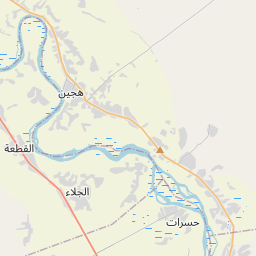
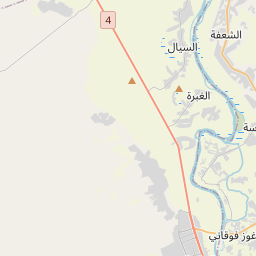
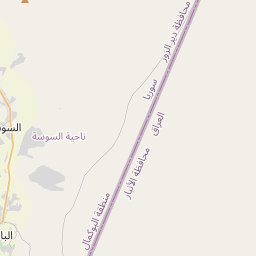
On the map
Last price
—
Floor price
—
7-day median
—
30-day sales
0
30-day range
—
In circulation
0
Price history
median
low – high
sales
No sales in this period
Show table
| Date | median | Low | High | sales |
|---|
Sales history
- Last sale
- —
- 30-day average
- —
- 30-day low
- —
- 30-day high
- —
- Sales 7d
- 0
- Sales 30d
- 0
No sales yet.
Anonymous sales: no buyer or seller shown. Figures count player-to-player sales only.
From Wikipedia
Mari (Cuneiform: 𒈠𒌷𒆠, ma-riki, modern Tell Hariri; Arabic: تل حريري) was an ancient Semitic city-state in modern-day Syria. Its remains form a tell 11 kilometres (6.8 mi) north-west of Abu Kamal on the western bank of the Euphrates River, some 120 kilometres (75 mi) southeast of Deir ez-Zor. It flourished as a trade center and hegemonic state between 2900 BC and 1759 BC. The city was built in the middle of the Euphrates trade routes between Sumer in the south and the Eblaite kingdom and the Levant in the west. Mari was first abandoned in the middle of the 26th century BC but was rebuilt and became the capital of a hegemonic East Semitic state before 2500 BC. This second Mari engaged in a long war with its rival Ebla and is known for its strong affinity with Sumerian culture. It was destroyed in the 23rd century BC by the Akkadians, who allowed the city to be rebuilt and appointed a military governor (Shakkanakku). The governors became independent with the disintegration of the Akkadian Empire, and rebuilt the city as a regional center of the Euphrates valley. The Shakkanakkus ruled Mari until the second half of the 19th century BC, when the dynasty collapsed for unknown reasons. A short time later, Mari became the capital of the Amorite Lim dynasty. The Amorite Mari lasted only a short time before it was destroyed by Babylonia in c. 1761 BC, but it survived as a small settlement under the rule of the Babylonians and the Assyrians before being abandoned and forgotten during the Hellenistic period. The Mariotes worshiped both Semitic and Sumerian deities and established their city as a major trading center. Although the pre-Amorite periods were characterized by heavy Sumerian cultural influence, Mari was not a city of Sumerian immigrants but...
Text: Wikipédia, CC BY-SA 4.0. · Image: Heretiq (CC BY-SA 2.5) ·
Related cards

Ur
Ancient Mesopotamian city-state
Nº Q5699 ★★★★★

Tell Brak
Archaeological site in Syria
Nº Q978443 ★

Tell Abu Hureyra
Archaeological site in Syria
Nº Q1754526 ★★★

Eridu
Archaeological site in Iraq
Nº Q210065 ★★★

Daraa
City in southwestern Syria
Nº Q238217 ★★

Avaris
Archaeological site in Egypt
Nº Q309282 ★★