
Mayapan
Pre-Columbian Maya site in Mexico
Mayapan (Màyapáan in Modern Maya; in Spanish Mayapán) is a Pre-Columbian Maya site a couple of kilometers south of the town of Telchaquillo in Tecoh Municipality, approximately 40 km south-east of Mérida and 100 km west of Chichen Itza; in the state of Yucatán, Mexico. Mayapan was the political and cultural capital of the Maya in the Yucatán Peninsula during the Late Post-Classic period from the 1220s until the 1440s.
Nº Q567966 ★★
Uncommon · Places
Mayapan
Pre-Columbian Maya site in Mexico
Mayapan (Màyapáan in Modern Maya; in Spanish Mayapán) is a Pre-Columbian Maya site a couple of kilometers south of the town of Telchaquillo in Tecoh Municipality, approximately 40 km south-east of Mérida and 100 km west of Chichen Itza; in the state of Yucatán, Mexico. Mayapan was the political and cultural capital of the Maya in the Yucatán Peninsula during the Late Post-Classic period from the 1220s until the 1440s.
On the map
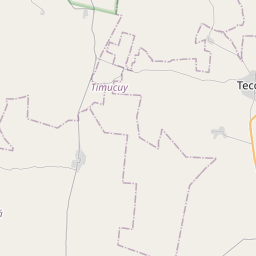
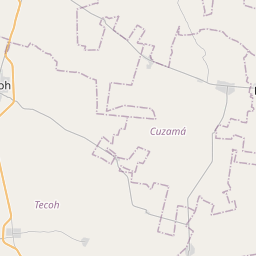
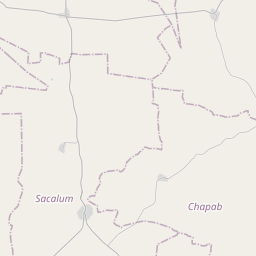
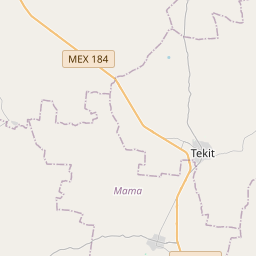
Last price
—
Floor price
—
7-day median
—
30-day sales
0
30-day range
—
In circulation
0
Price history
median
low – high
sales
No sales in this period
Show table
| Date | median | Low | High | sales |
|---|
Sales history
- Last sale
- —
- 30-day average
- —
- 30-day low
- —
- 30-day high
- —
- Sales 7d
- 0
- Sales 30d
- 0
No sales yet.
Anonymous sales: no buyer or seller shown. Figures count player-to-player sales only.
From Wikipedia
Mayapan (Màyapáan in Modern Maya; in Spanish Mayapán) is a Pre-Columbian Maya site a couple of kilometers south of the town of Telchaquillo in Tecoh Municipality, approximately 40 km south-east of Mérida and 100 km west of Chichen Itza; in the state of Yucatán, Mexico. Mayapan was the political and cultural capital of the Maya in the Yucatán Peninsula during the Late Post-Classic period from the 1220s until the 1440s. Estimates of the total city population are 15,000–17,000 people, and the site has more than 4,000 structures within the city walls, and additional dwellings outside. The site has been professionally surveyed and excavated by archeological teams, beginning in 1939; five years of work was done by a team in the 1950s, and additional studies were done in the 1990s. Since 2000, a collaborative Mexican-United States team has been conducting excavations and recovery at the site, which continue.
Text: Wikipédia, CC BY-SA 4.0. · Image: Joeldesalvatierra (CC BY-SA 3.0) ·
Related cards

Calakmul
Archaeological site
Nº Q272771 ★★★

Tulum
Protected area in Quintana Roo, Mexico
Nº Q725883 ★★★★
historia de Yucatán
Nº Q5899372 ★★

Itza people
Ethnic group
Nº Q606377 ★★

Palenque
Former Maya city state in southern Mexico
Nº Q181427 ★★★

Uaxactun
Ancient sacred place of the Maya civilization, in present-day Guatemala
Nº Q977738 ★★