
Neve Tzedek
Neighborhood in Tel Aviv
Neve Tzedek (Hebrew: נווה צדק, romanized: Nevé Tsédeq, lit. 'Oasis of Justice') is a neighborhood in southwestern Tel Aviv, Israel. It was the first Jewish neighborhood to be built outside the old city of the ancient port of Jaffa.
Nº Q2632900 ★
Common · Places
Neve Tzedek
Neighborhood in Tel Aviv
Neve Tzedek (Hebrew: נווה צדק, romanized: Nevé Tsédeq, lit. 'Oasis of Justice') is a neighborhood in southwestern Tel Aviv, Israel. It was the first Jewish neighborhood to be built outside the old city of the ancient port of Jaffa.
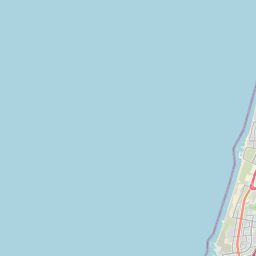
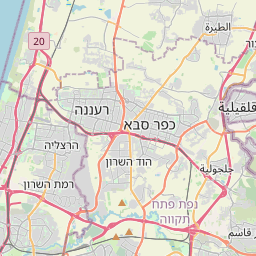
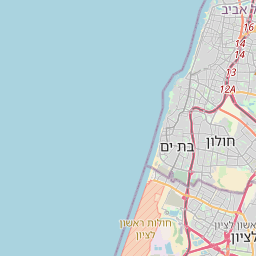
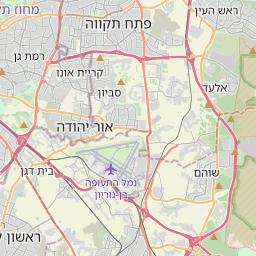
On the map
Last price
—
Floor price
—
7-day median
—
30-day sales
0
30-day range
—
In circulation
0
Price history
median
low – high
sales
No sales in this period
Show table
| Date | median | Low | High | sales |
|---|
Sales history
- Last sale
- —
- 30-day average
- —
- 30-day low
- —
- 30-day high
- —
- Sales 7d
- 0
- Sales 30d
- 0
No sales yet.
Anonymous sales: no buyer or seller shown. Figures count player-to-player sales only.
From Wikipedia
Neve Tzedek (Hebrew: נווה צדק, romanized: Nevé Tsédeq, lit. 'Oasis of Justice') is a neighborhood in southwestern Tel Aviv, Israel. It was the first Jewish neighborhood to be built outside the old city of the ancient port of Jaffa. It was founded in 1883 by a group of 48 Jewish families led by Shimon Rokach, a Jerusalemite pioneer of agriculture, and Aharon Chelouche, a landowner and businessman from Jaffa. At the beginning of the 20th century, Neve Tzedek was the cultural center of the developing Tel Aviv, where many prominent representatives of the Jewish creative intelligentsia lived and worked, including the future Nobel laureate Shmuel Yosef Agnon and the artist Nachum Gutman, who described life in Neve Tzedek in their autobiographical works. After the formation of the State of Israel in 1948, Neve Tzedek became one of the centers for the settlement of new immigrants. Having survived years of neglect in the 1970s, Neve Tzedek was slated for demolition, but public opposition led to a decision to restore the historic quarter; since the 1990s, it has become increasingly bohemian and fashionable. The area, which eventually became part of Tel Aviv and no longer has municipal self-government, is now one of the city's attractions, drawing tourists with its turn-of-the-century atmosphere, historic buildings, artisan workshops, shops, and cafes.
Text: Wikipédia, CC BY-SA 4.0. · Image: Giladtop (CC BY-SA 4.0) ·
Related cards

Aharon Chelouche
Algerian Jewish town founder
Nº Q4694981 ★★★★

Neve Shalom, Tel Aviv
Historic neighborhood in Tel Aviv
Nº Q6966107 ★★★

Neve Tzedek Tower
Residential skyscraper in Tel Aviv, Israel
Nº Q2902481 ★★★

Neve Ofer
Residential neighbourhood in Tel Aviv–Yafo, Israel
Nº Q2903300 ★★★★

Neve Sharret
Neighborhood in Tel Aviv, Israel
Nº Q2776297 ★★★★

Neve Sha'anan, Tel Aviv
Neighborhood in Tel Aviv, Israel
Nº Q2907012 ★★★★★