

Common · Places
Nyangwe
Locality of Maniema, on the right bank of the Lualaba in the current Democratic Republic of Congo (Kasongo territory).
Nyangwe is a town on the right bank of the Lualaba River, in the Maniema Province in the east of the Democratic Republic of the Congo (territory of Kasongo). In the second half of the 19th century, it was an important Swahili–Arab hub for trade goods like ivory, gold, iron and slaves, remaining one of the main slave trading centres until the Congo Arab war.
On the map


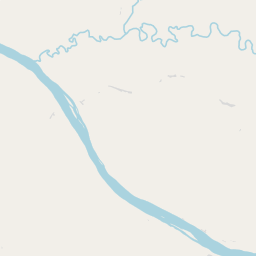
From Wikipedia
Nyangwe is a town on the right bank of the Lualaba River, in the Maniema Province in the east of the Democratic Republic of the Congo (territory of Kasongo). In the second half of the 19th century, it was an important Swahili–Arab hub for trade goods like ivory, gold, iron and slaves, remaining one of the main slave trading centres until the Congo Arab war. The town was founded as an Arab trading depot around 1860. It subsequently became a part of the Sultanate of Utetera, ruled by the Swahili slave trader Tippu Tip and associated with the Zanzibar slave trade of the Sultanate of Zanzibar. David Livingstone was the first European to visit Nyangwe in 1871. According to his notes, the Swahili–Arabs had driven away the original inhabitants of the area, the Wagenya, when establishing their town. As a result, the Wagenya had become distrustful of any foreigners visiting the region. On 15 July 1871, Livingstone witnessed around 400 to 500 Africans being massacred by Arab slavers at the Nyangwe market on the banks of the Lualaba, while he was watching next to the leading Arab trader Dugumbe who had given him assistance. As he recorded in his field diary, the attack was an act of retaliation for actions of Manilla, a head slave who had sacked villages of Mohombo people at the instigation of the Wagenya chieftain Kimburu. The Arabs attacked Kimburu's people as well as anyone they found to be present at the market. Researchers from the Indiana University of Pennsylvania who scanned Livingstone's diary suggest that in putting his fragmentary notes about the massacre into the narrative of his journal, he left out his concerns about some of his followers, slaves owned by Banyan merchants who had been hired by John Kirk, acting British Consul at...
Text: Wikipédia, CC BY-SA 4.0. · Image: David Livingstone (Public domain) ·
Related cards
-
 ★★★
★★★
Tippu Tip
Swahili slave and ivory trader (c. 1832/7–1905)
-
 ★★
★★
Shinkolobwe
Name of a town and a mine in the Katanga province of the Democratic Republic of the Congo
-
 ★
★
Rumaliza
African slave trader
-
 ★
★
Lusambo
Place in Sankuru, Democratic Republic of the Congo
-
 ★★★★
★★★★
Stone Town
Old part of Zanzibar City, the main city of Zanzibar, in Tanzania
-
 ★
★
Slavery in Zanzibar