
Pella, Jordan
Human settlement in Jordan
Pella (Greek: Πέλλα, Arabic: فحل) was an ancient city in what is now northwest Jordan, and contains ruins from the Neolithic, Chalcolithic, Bronze Age, Iron Age, Canaanite, Hellenistic and Islamic periods. It is located near a rich water source within the eastern foothills of the Jordan Valley, close to the modern village of Ṭabaqat Faḥl (Arabic: طبقة فحل) some 27 km (17 mi) south of the Sea of Galilee (Lake Tiberias).
Nº Q167993 ★
Common · Places
Pella, Jordan
Human settlement in Jordan
Pella (Greek: Πέλλα, Arabic: فحل) was an ancient city in what is now northwest Jordan, and contains ruins from the Neolithic, Chalcolithic, Bronze Age, Iron Age, Canaanite, Hellenistic and Islamic periods. It is located near a rich water source within the eastern foothills of the Jordan Valley, close to the modern village of Ṭabaqat Faḥl (Arabic: طبقة فحل) some 27 km (17 mi) south of the Sea of Galilee (Lake Tiberias).
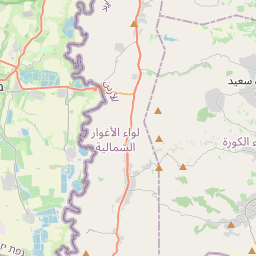
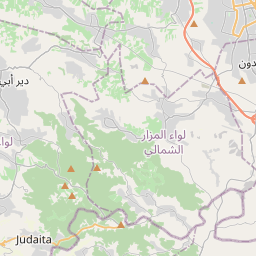
On the map
Last price
—
Floor price
—
7-day median
—
30-day sales
0
30-day range
—
In circulation
0
Price history
median
low – high
sales
No sales in this period
Show table
| Date | median | Low | High | sales |
|---|
Sales history
- Last sale
- —
- 30-day average
- —
- 30-day low
- —
- 30-day high
- —
- Sales 7d
- 0
- Sales 30d
- 0
No sales yet.
Anonymous sales: no buyer or seller shown. Figures count player-to-player sales only.
From Wikipedia
Pella (Greek: Πέλλα, Arabic: فحل) was an ancient city in what is now northwest Jordan, and contains ruins from the Neolithic, Chalcolithic, Bronze Age, Iron Age, Canaanite, Hellenistic and Islamic periods. It is located near a rich water source within the eastern foothills of the Jordan Valley, close to the modern village of Ṭabaqat Faḥl (Arabic: طبقة فحل) some 27 km (17 mi) south of the Sea of Galilee (Lake Tiberias). The site is situated 130 km (81 mi) north of Amman: a drive of about two hours (due to the difficult terrain), and an hour southwest by car from Irbid, in the north of the country. Pella's ruins – predominantly temples, churches, and housing – have been partially excavated by teams of archaeologists; they attract thousands of tourists annually but especially in spring, during which time the area is awash with spring flowers.
Text: Wikipédia, CC BY-SA 4.0. · Image: The original uploader was DavidThomas71 at English Wikipedia... (CC BY-SA 2.5) ·
Related cards

Hopewell, Virginia
Independent city in Virginia, United States
Nº Q502235 ★

Huanggang Port
Border checkpoint between Hong Kong and Shenzhen, China
Nº Q5925913 ★

Zalipie, Lesser Poland Voivodeship
Village of Poland
Nº Q1394010 ★

Miedwie
Lake in the Pomeranian Lakeland region of West Pomeranian Voivodship
Nº Q572552 ★

Den Haag HS railway station
Railway station in The Hague, the Netherlands
Nº Q800657 ★

Broek in Waterland
Village in Waterland, Netherlands
Nº Q2925962 ★