

Uncommon · Places
Peyresq
Human settlement in France
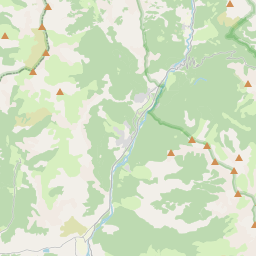
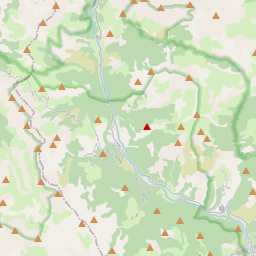
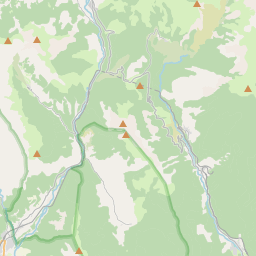
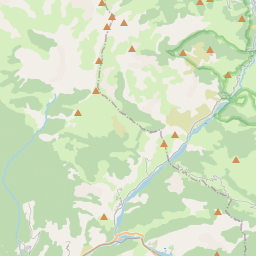
Peyresq (from le pays des pierres, or the land of stones) is a French village in the commune of Thorame-Haute in France, perched on a rocky outcrop of the Alpes-de-Haute-Provence at 1,528 metres above sea level.
On the map
From Wikipedia
Peyresq (from le pays des pierres, or the land of stones) is a French village in the commune of Thorame-Haute in France, perched on a rocky outcrop of the Alpes-de-Haute-Provence at 1,528 metres above sea level. The village first appears in charters of 1042 as Petriscum, referring to its rocky surroundings. Peyresq (in its occitan spelling Peiresc) gave its name to the famous humanist Nicolas Claude Fabri de Peiresc - he was its lord, but never set foot there. After the French Revolution, the village came to be spelled as Peyresq, and in November 1964 it was merged with the village of La Colle-Saint-Michel to create a new commune called Saint-Michel-Peyresq. That commune was in turn absorbed by the municipality of Thorame-Haute in March 1974. In 1952, Georges Lambeau, director of the Académie des Beaux-Arts at Namur, was searching the region for a site for a holiday camp for his students and found Peyresq almost completely abandoned and almost all its houses in ruins. Falling in love with the village's charm, he decided to reconstruct it in his own image. His friend Toine Smets, an entrepreneur from Brussels, decided to finance the project. According to the historian Louise Sgaravizzi, in 1953 of 53 houses 24% were habitable, 40% needed restoration and 16% were in ruins (the majority on what is now called the cour des Métiers). The access route to the village was paved in 1953.
Text: Wikipédia, CC BY-SA 4.0. · Image: Ph. Malburet (Public domain) ·