
Pozzuoli
Italian comune
Pozzuoli (Italian: [potˈtswɔːli]; Neapolitan: Pozzule [pətˈtsuːlə]; Latin: Puteoli) is a city and comune (municipality) in the Metropolitan City of Naples in the region of Campania in southern Italy. The main city of the Phlegrean Peninsula, it has 74,665 inhabitants.
Nº Q72425 ★★★★★
Ultra Rare · Places
Pozzuoli
Italian comune
Pozzuoli (Italian: [potˈtswɔːli]; Neapolitan: Pozzule [pətˈtsuːlə]; Latin: Puteoli) is a city and comune (municipality) in the Metropolitan City of Naples in the region of Campania in southern Italy. The main city of the Phlegrean Peninsula, it has 74,665 inhabitants.
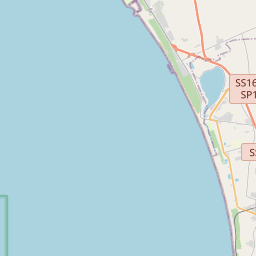
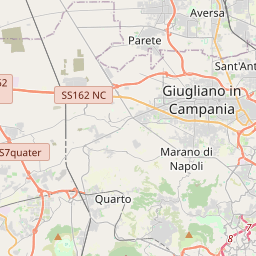
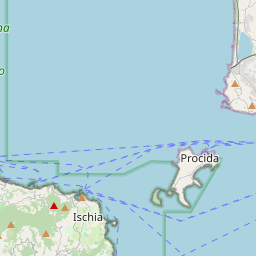
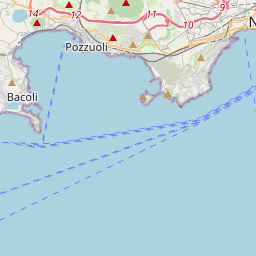
On the map
Last price
—
Floor price
—
7-day median
—
30-day sales
0
30-day range
—
In circulation
0
Price history
median
low – high
sales
No sales in this period
Show table
| Date | median | Low | High | sales |
|---|
Sales history
- Last sale
- —
- 30-day average
- —
- 30-day low
- —
- 30-day high
- —
- Sales 7d
- 0
- Sales 30d
- 0
No sales yet.
Anonymous sales: no buyer or seller shown. Figures count player-to-player sales only.
From Wikipedia
Pozzuoli (Italian: [potˈtswɔːli]; Neapolitan: Pozzule [pətˈtsuːlə]; Latin: Puteoli) is a city and comune (municipality) in the Metropolitan City of Naples in the region of Campania in southern Italy. The main city of the Phlegrean Peninsula, it has 74,665 inhabitants. Pozzuoli, known in antiquity as Puteoli, was established in 531 BC as the Greek colony of Dicaearchia by refugees fleeing the tyranny of Polycrates on Samos. During the Second Punic War (218–201 BC), the city's fortified harbor withstood the advances of the Carthaginian general Hannibal. Following the Romanization of Campania, Rome established a colony at Puteoli in 194 BC. The region was important for its pozzolana, a volcanic sand essential to the production of Roman concrete. At its peak during the late Republic and early Empire, Puteoli was the primary commercial port of Rome, despite being located 150 mi (241.40 km) from the capital. The city played a role in the import of wheat from Egypt to Rome and became home to a mixed population that included Greeks, Jews, Nabataeans, Phoenician merchants, and early Christians. The city began to decline in the mid-1st century AD as the emperors Claudius and Trajan expanded the port of Ostia in Latium to provide a direct gateway to the Tiber. In the late 5th century AD, fall of the Western Roman Empire further weakened the city, which was then sacked by the Visigoths, Vandals, and Ostrogoths.
Text: Wikipédia, CC BY-SA 4.0. · Image: Wikimedia Commons (CC BY-SA 3.0) ·


