

Common · Places
Pszenno
Village of Poland
Pszenno [ˈpʂɛnnɔ] (German: Weizenrodau) is a village in the administrative district of Gmina Świdnica, within Świdnica County, Lower Silesian Voivodeship, in south-western Poland. The most notable sights of the village include the medieval Saint Nicholas church and a museum dedicated to sugar production, which is located at the local sugar refinery.
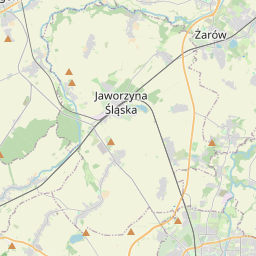
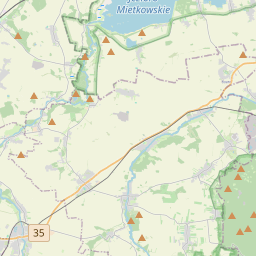
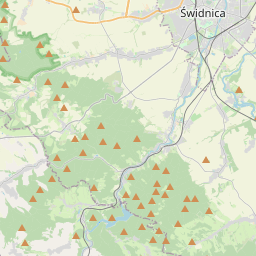
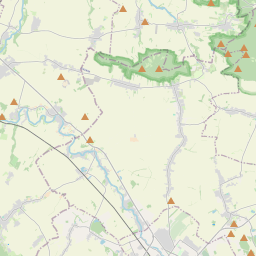
On the map
From Wikipedia
Pszenno [ˈpʂɛnnɔ] (German: Weizenrodau) is a village in the administrative district of Gmina Świdnica, within Świdnica County, Lower Silesian Voivodeship, in south-western Poland. The most notable sights of the village include the medieval Saint Nicholas church and a museum dedicated to sugar production, which is located at the local sugar refinery. In 1243 the village was established within fragmented Piast-ruled Poland under so-called German Law under Johann Graf von Wuerben. The Polish name comes from the word pszenica, which means wheat, while the German name Weizenrodau literally means wheat uprooting. The ancestors of the Watzenrode family of Prussia based their family name on the village since this is where they originated. Since 1645, the Evangelical inhabitants of the town belonged to the Church of Peace in nearby Świdnica, while, until 1773, the Catholics belonged to the Jesuit Church of Świdnica. The village was annexed by Prussia in 1741, and was administratively located in the Świdnica County (then Landkreis Schweidnitz) since. A sugar factory was established in the village in the early 19th century. From 1871 to 1945 it was also part of Germany. In 1874 the local civil registry was established.
Text: Wikipédia, CC BY-SA 4.0. · Image: Neo[EZN] (CC BY-SA 3.0) ·