
Rotorua
City in Bay of Plenty, New Zealand
Rotorua (Māori pronunciation: [ɾɔtɔˈɾʉa] ) is a city in the Bay of Plenty Region of New Zealand's North Island, situated on the southern shores of Lake Rotorua, from which it takes its name. It is the seat of the Rotorua Lakes District, a territorial authority encompassing Rotorua and several other nearby towns.
Nº Q208948 ★★
Uncommon · Places
Rotorua
City in Bay of Plenty, New Zealand
Rotorua (Māori pronunciation: [ɾɔtɔˈɾʉa] ) is a city in the Bay of Plenty Region of New Zealand's North Island, situated on the southern shores of Lake Rotorua, from which it takes its name. It is the seat of the Rotorua Lakes District, a territorial authority encompassing Rotorua and several other nearby towns.
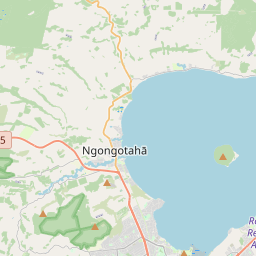
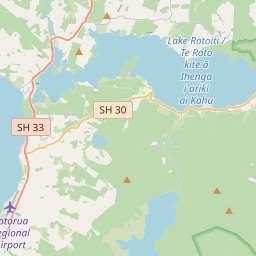
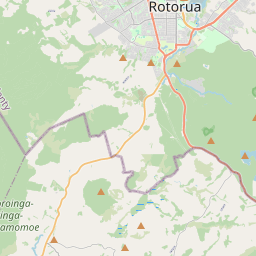
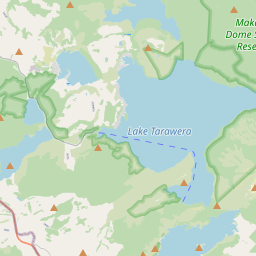
On the map
Last price
—
Floor price
—
7-day median
—
30-day sales
0
30-day range
—
In circulation
0
Price history
median
low – high
sales
No sales in this period
Show table
| Date | median | Low | High | sales |
|---|
Sales history
- Last sale
- —
- 30-day average
- —
- 30-day low
- —
- 30-day high
- —
- Sales 7d
- 0
- Sales 30d
- 0
No sales yet.
Anonymous sales: no buyer or seller shown. Figures count player-to-player sales only.
From Wikipedia
Rotorua (Māori pronunciation: [ɾɔtɔˈɾʉa] ) is a city in the Bay of Plenty Region of New Zealand's North Island, situated on the southern shores of Lake Rotorua, from which it takes its name. It is the seat of the Rotorua Lakes District, a territorial authority encompassing Rotorua and several other nearby towns. It has an estimated resident population of 58,500, making it the country's 13th largest urban area, and the Bay of Plenty's second-largest urban area behind Tauranga. Te Arawa Māori first settled in Rotorua in the 14th century, and a thriving pā was established at Ohinemutu by the people who would become Ngāti Whakaue. The city became closely associated with conflict during the Musket Wars of the 1820s. Ohinemutu was invaded by a Ngāpuhi-led coalition in 1823, commanded by Hongi Hika and Pōmare I. In the 19th century early European settlers had an interest in developing Rotorua, due to its unique geothermal activity and the surrounding area. Then, efforts by Māori and Europeans alike to establish Rotorua as a spa town led to a 99-year lease of land from Ngāti Whakaue to the Government. The city became a major site of tourism due to the Rotorua's close proximity to the Pink and White Terraces, until they were destroyed by the 1886 eruption of Mount Tarawera. Rotorua was elevated to borough status in 1922 and to city status 40 years later. Rotorua is a major destination for both domestic and international tourists. It is known for its geothermal activity and Māori cultural tourism, and features geysers – notably the Pōhutu Geyser at Whakarewarewa – and hot mud pools. This thermal activity is sourced to the Rotorua Caldera, in which the city lies.
Text: Wikipédia, CC BY-SA 4.0. · Image: W. Bulach (CC BY-SA 4.0) ·
Related cards

Tauranga
City in New Zealand's North Island
Nº Q207756 ★★

Whakatāne
Town in Bay of Plenty, New Zealand
Nº Q974074 ★

Bay of Plenty Region
Region in New Zealand's North Island
Nº Q2192924 ★
Bay of Plenty (National Provincial Championship)
New Zealand rugby union team
Nº Q4874226 ★

New Plymouth
City of New Zealand in Taranaki Region
Nº Q212984 ★★

Rotuma
Island dependency of Fiji
Nº Q459763 ★★