
Shanidar Cave
Archaeological site
Shanidar Cave (Kurdish: ئەشکەوتی شانەدەر, romanized: Eşkewtî Şaneder, Arabic: كَهَف شانِدَر) is an archaeological site on Bradost Mountain, within the Zagros Mountains in the Erbil Governorate of Kurdistan Region in northern Iraq. Neanderthal remains were discovered here in 1953, including Shanidar 1, who survived several injuries, possibly due to care from others in his group, and Shanidar 4, the famed supposed 'flower burial', where pollen has been suggested to be the remnants of deliberately placed flowers.
Nº Q909799 ★★
Uncommon · Places
Shanidar Cave
Archaeological site
Shanidar Cave (Kurdish: ئەشکەوتی شانەدەر, romanized: Eşkewtî Şaneder, Arabic: كَهَف شانِدَر) is an archaeological site on Bradost Mountain, within the Zagros Mountains in the Erbil Governorate of Kurdistan Region in northern Iraq. Neanderthal remains were discovered here in 1953, including Shanidar 1, who survived several injuries, possibly due to care from others in his group, and Shanidar 4, the famed supposed 'flower burial', where pollen has been suggested to be the remnants of deliberately placed flowers.
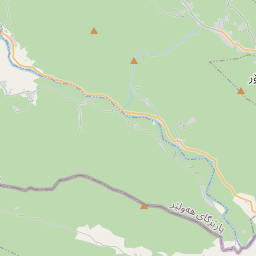
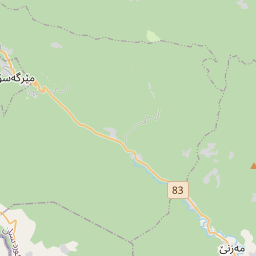
On the map
Last price
—
Floor price
—
7-day median
—
30-day sales
0
30-day range
—
In circulation
0
Price history
median
low – high
sales
No sales in this period
Show table
| Date | median | Low | High | sales |
|---|
Sales history
- Last sale
- —
- 30-day average
- —
- 30-day low
- —
- 30-day high
- —
- Sales 7d
- 0
- Sales 30d
- 0
No sales yet.
Anonymous sales: no buyer or seller shown. Figures count player-to-player sales only.
From Wikipedia
Shanidar Cave (Kurdish: ئەشکەوتی شانەدەر, romanized: Eşkewtî Şaneder, Arabic: كَهَف شانِدَر) is an archaeological site on Bradost Mountain, within the Zagros Mountains in the Erbil Governorate of Kurdistan Region in northern Iraq. Neanderthal remains were discovered here in 1953, including Shanidar 1, who survived several injuries, possibly due to care from others in his group, and Shanidar 4, the famed supposed 'flower burial', where pollen has been suggested to be the remnants of deliberately placed flowers. Until this discovery, Cro-Magnons, the earliest known H. sapiens in Europe, were the only individuals known for purposeful, ritualistic burials. However, this has been questioned, with it being suggested that the pollen over the burial may be the result of natural processes such as bee accumulation.
Text: Wikipédia, CC BY-SA 4.0. · Image: JosephV at English Wikipedia (CC BY-SA 3.0) ·
Related cards

Jebel Irhoud
Archaeological site in Morocco
Nº Q846913 ★★★

Katale Khor
Cave in Iran
Nº Q6375049 ★★★★

Karain Cave
Cave in Döşemealtı, Antalya, Turkey
Nº Q1062421 ★

Cheddar Gorge
Valley in Somerset, England
Nº Q1068812 ★★★

Nahal Me'arot Nature Reserve
Protected area in northern Israel
Nº Q1443478 ★

Gilindire Cave
Cave in southern Turkey
Nº Q18125116 ★★★★