

Uncommon · Places
Shouguang
County-level city
Shouguang (simplified Chinese: 寿光; traditional Chinese: 壽光; pinyin: Shòuguāng) is a county-level city in the north-central part of Shandong Province, China, situated on the southwest shore of Laizhou Bay. Under the administration of the prefecture-level city of Weifang, it has 1,139,454 people residing within the municipality and its surrounding towns and villages as of the 2010 Census, even though the built-up (or metro) area is much smaller.
On the map
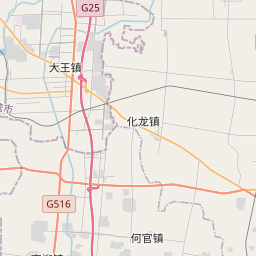
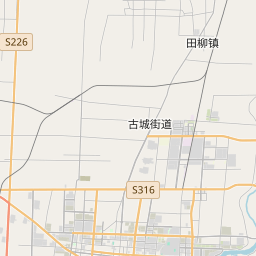
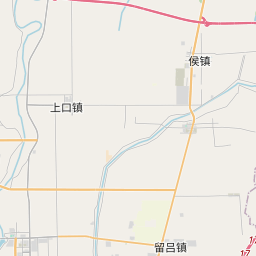
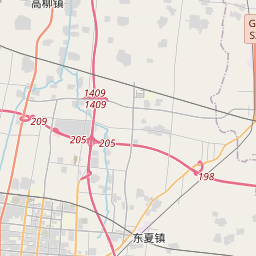
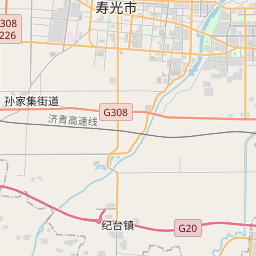
From Wikipedia
Shouguang (simplified Chinese: 寿光; traditional Chinese: 壽光; pinyin: Shòuguāng) is a county-level city in the north-central part of Shandong Province, China, situated on the southwest shore of Laizhou Bay. Under the administration of the prefecture-level city of Weifang, it has 1,139,454 people residing within the municipality and its surrounding towns and villages as of the 2010 Census, even though the built-up (or metro) area is much smaller. It is also known as the 'home of vegetables' in China, owing to its large agricultural output. Shouguang is located on an alluvial plain drained by the Mihe River. This region of Shandong is one of the first places where grains were cultivated. It was also the site of the Neolithic Dawenkou and Beixin cultures. The settlement of Shouguang can be traced back to a Dongyi settlement around 3000 B.C. It was then ruled by State of Qi during the Eastern Zhou dynasty. After Qi was conquered by Qin, Shouguang was put under the administration of Qi Commandery. During the Han dynasty (202 BC–220 AD), Shouguang was established as a county. During that time, it was already one of the largest grain cultivation bases in China, as well as a salt trading center.
Text: Wikipédia, CC BY-SA 4.0. · Image: Ngguls (CC BY-SA 4.0) ·