
Simalungun Regency
Regency in North Sumatra Province, Indonesia
Simalungun Regency is a regency in North Sumatra Province of Indonesia. Its seat was formerly at Pematangsiantar, but this city was under Law No.15 of 10 March 1986 was separated from the Regency and made into an independent city (kota), although it remains geographically surrounded by the regency, whose new administrative seat is at Raya, while the regency's two most populous districts are Bandar and Siantar.
Nº Q5903 ★★★★★★
Legendary · Places
Simalungun Regency
Regency in North Sumatra Province, Indonesia
Simalungun Regency is a regency in North Sumatra Province of Indonesia. Its seat was formerly at Pematangsiantar, but this city was under Law No.15 of 10 March 1986 was separated from the Regency and made into an independent city (kota), although it remains geographically surrounded by the regency, whose new administrative seat is at Raya, while the regency's two most populous districts are Bandar and Siantar.
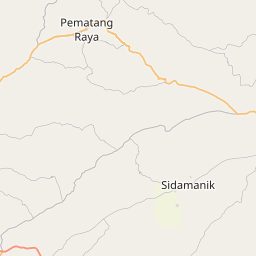
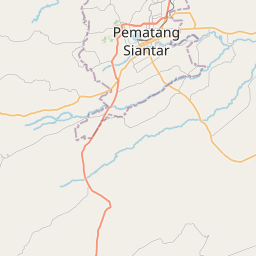
On the map
Last price
—
Floor price
—
7-day median
—
30-day sales
0
30-day range
—
In circulation
0
Price history
median
low – high
sales
No sales in this period
Show table
| Date | median | Low | High | sales |
|---|
Sales history
- Last sale
- —
- 30-day average
- —
- 30-day low
- —
- 30-day high
- —
- Sales 7d
- 0
- Sales 30d
- 0
No sales yet.
Anonymous sales: no buyer or seller shown. Figures count player-to-player sales only.
From Wikipedia
Simalungun Regency is a regency in North Sumatra Province of Indonesia. Its seat was formerly at Pematangsiantar, but this city was under Law No.15 of 10 March 1986 was separated from the Regency and made into an independent city (kota), although it remains geographically surrounded by the regency, whose new administrative seat is at Raya, while the regency's two most populous districts are Bandar and Siantar. The regency now covers an area of 4,372.5 square kilometres, and at the 2010 census it had a population of 817,720; at the 2020 Census this had risen to 990,246, but as of mid 2025 this was estimated to have declined to 955,620 (comprising 476,355 males and 479,265 females).
Text: Wikipédia, CC BY-SA 4.0. · Image: Christian Advs Sltg (CC BY-SA 3.0) ·
Related cards

Pematangsiantar
City in North Sumatra Province, Indonesia
Nº Q5979 ★

Sijunjung Regency
Regency in West Sumatra Province, Indonesia
Nº Q6055 ★★★★★

North Tapanuli Regency
Regency in North Sumatra Province, Indonesia
Nº Q5863 ★★★★★

North Labuhanbatu Regency
Regency in North Sumatra Province, Indonesia
Nº Q5842 ★★★★★

Labuhanbatu Regency
Regency in North Sumatra Province, Indonesia
Nº Q5814 ★★★★★

Nunukan Regency
Regency in North Kalimantan Province, Indonesia
Nº Q14481 ★★★★★