
Staffa
Island of the Inner Hebrides in Argyll and Bute, Scotland, UK
Staffa (Scottish Gaelic: Stafa, pronounced [ˈs̪t̪afa], from the Old Norse word for a stave or pillar) is an island of the Inner Hebrides in Argyll and Bute, Scotland. The Vikings gave it the name because its columnar basalt reminded them of their houses, which were constructed using vertical logs.
Nº Q250117 ★★
Uncommon · Places
Staffa
Island of the Inner Hebrides in Argyll and Bute, Scotland, UK
Staffa (Scottish Gaelic: Stafa, pronounced [ˈs̪t̪afa], from the Old Norse word for a stave or pillar) is an island of the Inner Hebrides in Argyll and Bute, Scotland. The Vikings gave it the name because its columnar basalt reminded them of their houses, which were constructed using vertical logs.
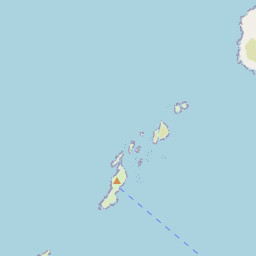
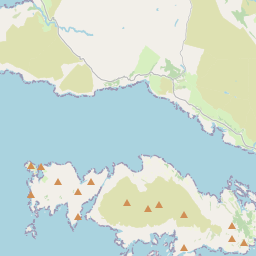
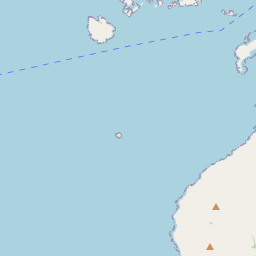
On the map

Last price
—
Floor price
—
7-day median
—
30-day sales
0
30-day range
—
In circulation
0
Price history
median
low – high
sales
No sales in this period
Show table
| Date | median | Low | High | sales |
|---|
Sales history
- Last sale
- —
- 30-day average
- —
- 30-day low
- —
- 30-day high
- —
- Sales 7d
- 0
- Sales 30d
- 0
No sales yet.
Anonymous sales: no buyer or seller shown. Figures count player-to-player sales only.
From Wikipedia
Staffa (Scottish Gaelic: Stafa, pronounced [ˈs̪t̪afa], from the Old Norse word for a stave or pillar) is an island of the Inner Hebrides in Argyll and Bute, Scotland. The Vikings gave it the name because its columnar basalt reminded them of their houses, which were constructed using vertical logs. Staffa lies about 10 kilometres (6 miles) west of the Isle of Mull. It is 33 hectares (82 acres) in area and the highest point is 42 metres (138 feet) above sea level. The island came to prominence in the late 18th century after a visit by Sir Joseph Banks. He and his fellow-travellers extolled the natural beauty of the basalt columns and of the island's main sea cavern, which Banks renamed "Fingal's Cave". Their visit was followed by those of many other prominent people during the next two centuries, including John Keats, Queen Victoria and Felix Mendelssohn. The latter's Hebrides Overture brought further fame to the island, which was by then uninhabited. It is now in the care of the National Trust for Scotland.
Text: Wikipédia, CC BY-SA 4.0. · Image: Keith Boardman (CC BY-SA 2.0) ·
Related cards
-

Colonsay
Island in the Inner Hebrides of Scotland, located north of Islay and south of Mull
Nº Q511539 ★
Not listed
-

Fingal's Cave
Sea cave in Argyll and Bute, Scotland, UK
Nº Q403134 ★★
Not listed
-

Svartifoss
Waterfall surrounded with basalt columns in Iceland
Nº Q1145786 ★★
Not listed
-

Unst
Northernmost island of the Shetland Islands, Scotland, United Kingdom
Nº Q754867 ★★
Not listed
-

Norra Stavsudda
Nº Q6977501 ★★★
Not listed
-

Hebrides
Archipelago off the west coast of mainland Scotland
Nº Q123377 ★★★★
Not listed