
Toruń
City in north-central Poland
Toruń (Polish: [ˈtɔruɲ] ; German: Thorn [ˈtoːɐ̯n] ) is a city on the Vistula River in north-central Poland and a UNESCO World Heritage Site. Its population was 196,935 as of December 2021. Previously, it was the capital of the Toruń Voivodeship (1975–1998) and the Pomeranian Voivodeship (1921–1945).
Nº Q47554 ★★★★
Super Rare · Places
Toruń
City in north-central Poland
Toruń (Polish: [ˈtɔruɲ] ; German: Thorn [ˈtoːɐ̯n] ) is a city on the Vistula River in north-central Poland and a UNESCO World Heritage Site. Its population was 196,935 as of December 2021. Previously, it was the capital of the Toruń Voivodeship (1975–1998) and the Pomeranian Voivodeship (1921–1945).
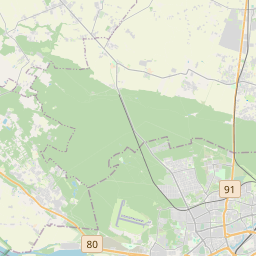
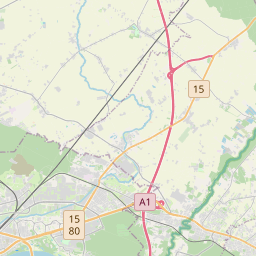
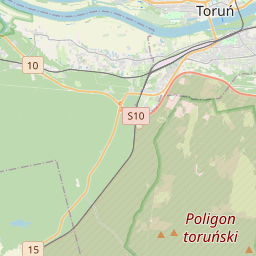
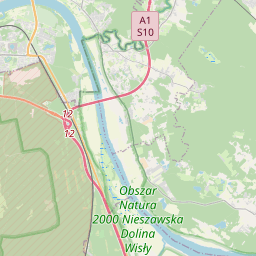
On the map
Last price
—
Floor price
—
7-day median
—
30-day sales
0
30-day range
—
In circulation
0
Price history
median
low – high
sales
No sales in this period
Show table
| Date | median | Low | High | sales |
|---|
Sales history
- Last sale
- —
- 30-day average
- —
- 30-day low
- —
- 30-day high
- —
- Sales 7d
- 0
- Sales 30d
- 0
No sales yet.
Anonymous sales: no buyer or seller shown. Figures count player-to-player sales only.
From Wikipedia
Toruń (Polish: [ˈtɔruɲ] ; German: Thorn [ˈtoːɐ̯n] ) is a city on the Vistula River in north-central Poland and a UNESCO World Heritage Site. Its population was 196,935 as of December 2021. Previously, it was the capital of the Toruń Voivodeship (1975–1998) and the Pomeranian Voivodeship (1921–1945). Since 1999, Toruń has been a seat of the local government of the Kuyavian–Pomeranian Voivodeship and is one of its two capitals, together with Bydgoszcz. The cities and neighboring counties form the Bydgoszcz–Toruń twin city metropolitan area. Toruń is one of the oldest cities in Poland; it was first settled in the 8th century and in 1233 was expanded by the Teutonic Knights. For centuries it was home to people of diverse backgrounds and religions. From 1264 until 1411, Toruń was part of the Hanseatic League and by the 17th century a leading trading point, which greatly affected the city's architecture, ranging from Brick Gothic to Mannerist and Baroque. In the Early Modern period, Toruń was a royal city of Poland and one of Poland's four largest cities. With the partitions of Poland in the late 18th century, it became part of Prussia, then of the short-lived Duchy of Warsaw, serving as the temporary Polish capital in 1809, then again of Prussia, of the German Empire and, after World War I, of the reborn Polish Republic. During the Second World War, Toruń was spared bombing and destruction; its Old Town and iconic central marketplace have been entirely preserved. Toruń is renowned for its gingerbread – the gingerbread-baking tradition dates back nearly a millennium – as well as for its large Cathedral. It hosts the Camerimage International Film Festival of the Art of Cinematography. Toruń is noted for its very high standard of living and quality of life. In 1997 the medieval part of...
Text: Wikipédia, CC BY-SA 4.0. · Image: Andrzej Otrębski (CC BY-SA 4.0) ·
Related cards

Bydgoszcz
City in the Kuyavian-Pomeranian Voivodeship in north-central Poland
Nº Q41252 ★★★★

Tarnobrzeg
City with powiat rights of Poland
Nº Q28516 ★★

Toruń Cathedral
Toruń
Nº Q1087400 ★

Grudziądz
City with powiat rights of Poland
Nº Q123511 ★★★

Tarnowskie Góry
Town in the Silesian Voivodeship in southern Poland
Nº Q329833 ★★

Płock
City with powiat rights of Poland
Nº Q104725 ★★★