
Tuqu'
Municipality in Bethlehem Governorate
Tuquʿ or Tequʿ (Arabic: تقوع) is a Palestinian town in the Bethlehem Governorate, located 12 km (7.5 mi) southeast of Bethlehem in the occupied West Bank. The modern part of the town was built up in 1948 adjacent to Khirbet Tuqu' (khirbet meaning "ruins"), the Arabic name for the ancient biblical site of Tekoa (Hebrew: תְּקוֹעַ, romanized: Təqōaʿ), or Crusader Thecoe.
Nº Q2448610 ★
Common · Places
Tuqu'
Municipality in Bethlehem Governorate
Tuquʿ or Tequʿ (Arabic: تقوع) is a Palestinian town in the Bethlehem Governorate, located 12 km (7.5 mi) southeast of Bethlehem in the occupied West Bank. The modern part of the town was built up in 1948 adjacent to Khirbet Tuqu' (khirbet meaning "ruins"), the Arabic name for the ancient biblical site of Tekoa (Hebrew: תְּקוֹעַ, romanized: Təqōaʿ), or Crusader Thecoe.
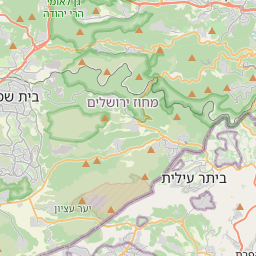
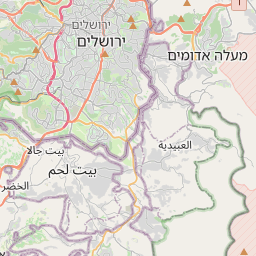
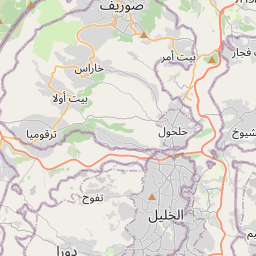
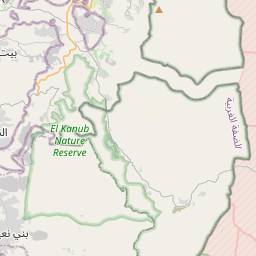
On the map
Last price
—
Floor price
—
7-day median
—
30-day sales
0
30-day range
—
In circulation
0
Price history
median
low – high
sales
No sales in this period
Show table
| Date | median | Low | High | sales |
|---|
Sales history
- Last sale
- —
- 30-day average
- —
- 30-day low
- —
- 30-day high
- —
- Sales 7d
- 0
- Sales 30d
- 0
No sales yet.
Anonymous sales: no buyer or seller shown. Figures count player-to-player sales only.
From Wikipedia
Tuquʿ or Tequʿ (Arabic: تقوع) is a Palestinian town in the Bethlehem Governorate, located 12 km (7.5 mi) southeast of Bethlehem in the occupied West Bank. The modern part of the town was built up in 1948 adjacent to Khirbet Tuqu' (khirbet meaning "ruins"), the Arabic name for the ancient biblical site of Tekoa (Hebrew: תְּקוֹעַ, romanized: Təqōaʿ), or Crusader Thecoe. Both the ancient and modern sites are part of the Tuqu' municipal council, which includes two other localities: Khirbet ad-Deir ("ruins of the monastery") and Al-Halqum. As of 2019, the modern center of Tuqu' had a population of 8,767, Khirbet Tuqu' of 131, Al -Halqum of 266, and Khirbet ad-Deir of 2,009. Tuqu' forms part of a wider village cluster - along with Za'atara, Beit Ta'mir, Hindaza, Nuaman, Ubeidiya, and al-Asakra - that the nomadic pastoralist Ta'amreh tribe of Palestinian Bedouins have lived in and around for more than a millennium, and their history is intimately tied to both ancient and modern Tuqu'/Tekoa. Archaeological finds from Khirbet Teqoa include pottery from Iron Age IIA–IIC, Persian, Hellenistic, and Roman periods, as well as remains of a Byzantine-era church built over a tomb tradition attributed to the biblical prophet Amos, or by another tradition, to Saint Nicholas. The site remained inhabited into the Middle Ages, with the remains of a Crusader fortress, and with villagers later paying taxes on agricultural produce under Ottoman rule that were directed to a waqf. While Tuqu has a municipal jurisdiction of over 191,262 dunams, the built-up area is small, consisting of only 590 dunams, and 98.5% of the village's land was classified as Area C and 1.5% as Area B in the 1995 accords. The Israeli settlement of Tekoa, initially established in 1975 as a Nahal military outpost, was built on 1071 dunams of land...
Text: Wikipédia, CC BY-SA 4.0. · Image: Deror avi (CC BY-SA 3.0) ·
Related cards

Bethlehem
City in the West Bank, Palestine
Nº Q5776 ★★★★★

Beit Fajjar
Municipality in Bethlehem Governorate
Nº Q4881435 ★★
Al-Maniya
Village council in Bethlehem Governorate
Nº Q4702799 ★★★
Al-Qaryatayn, Palestine
City in the Bible
Nº Q2903488 ★★

Beit Sahour
Palestinian city in the occupied West Bank
Nº Q803990 ★

Beth-zur
Archaeological site in West Bank, Israel
Nº Q4897432 ★★★