


Via cava
The Vie Cave (in English excavated roads), also known in Italian as Cavoni, is a road network in southern Europe, found in Spain, Italy, Turkey and as far east as Jordan. In Italy they partly link an Etruscan necropolis and several settlements in the area between Sovana, Sorano and Pitigliano.
Nº Q3556487 ★★
Uncommon · Places
Via cava
The Vie Cave (in English excavated roads), also known in Italian as Cavoni, is a road network in southern Europe, found in Spain, Italy, Turkey and as far east as Jordan. In Italy they partly link an Etruscan necropolis and several settlements in the area between Sovana, Sorano and Pitigliano.
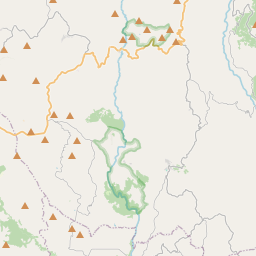
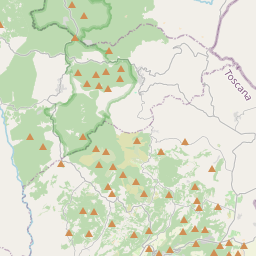
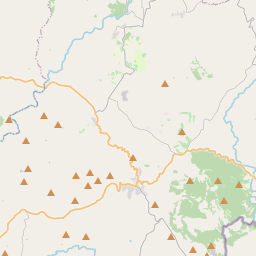
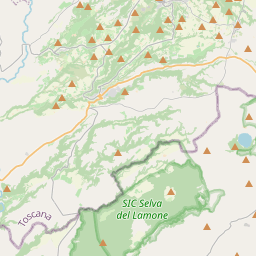
On the map
Last price
—
Floor price
—
7-day median
—
30-day sales
0
30-day range
—
In circulation
0
Price history
median
low – high
sales
No sales in this period
Show table
| Date | median | Low | High | sales |
|---|
Sales history
- Last sale
- —
- 30-day average
- —
- 30-day low
- —
- 30-day high
- —
- Sales 7d
- 0
- Sales 30d
- 0
No sales yet.
Anonymous sales: no buyer or seller shown. Figures count player-to-player sales only.
From Wikipedia
The Vie Cave (in English excavated roads), also known in Italian as Cavoni, is a road network in southern Europe, found in Spain, Italy, Turkey and as far east as Jordan. In Italy they partly link an Etruscan necropolis and several settlements in the area between Sovana, Sorano and Pitigliano. They consist mainly of trenches of variable width and length, excavated as nearly vertical cliffs in different types of bedrock, sometimes over sixty feet high, possibly serving as a defense system against invaders, wild animals or forces of nature. Although often dated as being carved by pre-Roman civilisations in the first or second millennium BC, the builders and purpose of the road system are largely unclear, and there are indications that they are much older than assumed. In Italy they are sometimes narrow, sometimes wider cuttings often running deeply through hills and bedrock, and are thought to have changed little since Etruscan times. Their construction is said to have resulted from the wearing through soft tuff but also harder bedrock by iron-rimmed wheels, creating deep ruts that required the road to be frequently recut to a smooth surface. Their dating is mainly deduced from the settlements they pass between, and objects from tombs beside them. This dating is deemed uncertain by those pointing out the extent of petrifaction of the so-called cart ruts. In Roman times segments of the Vie Cave became part of a road system that was connected to the main trunk of the Via Clodia, an ancient road linking Rome and Manciano, through the city of Tuscania, which branched off from the Cassia road in Lazio territory. Wider segments are even included in the modern road system.
Text: Wikipédia, CC BY-SA 4.0. · Image: Sidvics (CC BY-SA 3.0) ·
Related cards
-

Grotta del Cavallo
Cave and archaeological site in Italy
Nº Q1431132 ★★
Not listed
-

Via Clodia
Ancient high-road of Italy
Nº Q692488 ★★
Not listed
-

Funivie di Savona
Cableway in Liguria, Italy
Nº Q15867774 ★★
Not listed
-

Deer Cave (Otranto)
Cave and archaeological site in southern Italy
Nº Q3777018 ★★★
Not listed
-

Rocca di Cave
Italian comune
Nº Q243220 ★★★
Not listed
-

Sibyl's Cave
Cave in Marche region, Italy
Nº Q3777051 ★★★
Not listed