
Zaña
Town in Lambayeque, Peru
Zaña or Saña (Mochica: Çañap ) is the capital of Zaña District in the Chiclayo Province of Lambayeque region in northern Peru. It is located 25 kilometres (16 miles) inland from the Pacific Ocean at an elevation of 58 metres (190 ft) in the valley of the Zaña River. Zaña had a population of 4,510 in 2017.
Nº Q6171043 ★★★
Rare · Places
Zaña
Town in Lambayeque, Peru
Zaña or Saña (Mochica: Çañap ) is the capital of Zaña District in the Chiclayo Province of Lambayeque region in northern Peru. It is located 25 kilometres (16 miles) inland from the Pacific Ocean at an elevation of 58 metres (190 ft) in the valley of the Zaña River. Zaña had a population of 4,510 in 2017.
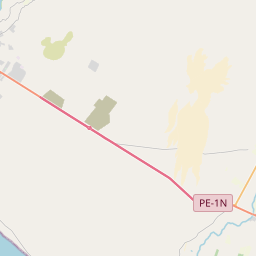
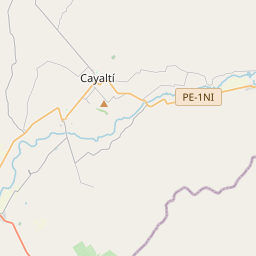
On the map
Last price
—
Floor price
—
7-day median
—
30-day sales
0
30-day range
—
In circulation
0
Price history
median
low – high
sales
No sales in this period
Show table
| Date | median | Low | High | sales |
|---|
Sales history
- Last sale
- —
- 30-day average
- —
- 30-day low
- —
- 30-day high
- —
- Sales 7d
- 0
- Sales 30d
- 0
No sales yet.
Anonymous sales: no buyer or seller shown. Figures count player-to-player sales only.
From Wikipedia
Zaña or Saña (Mochica: Çañap ) is the capital of Zaña District in the Chiclayo Province of Lambayeque region in northern Peru. It is located 25 kilometres (16 miles) inland from the Pacific Ocean at an elevation of 58 metres (190 ft) in the valley of the Zaña River. Zaña had a population of 4,510 in 2017. The town was founded in 1563 by the Spanish conquerors of Peru. The Zaña Valley became a major area of sugar cane production and Zaña was one of the most important cities of colonial Peru. The wealth of Zaña attracted English pirates who raided the city in 1686. A flood destroyed Zaña in 1720 and it never recovered its previous importance. Ruins from the flood still exist at the edge of the 21st century town. Imported African slaves made up a major part of the population of the city and its environs during its heyday. The Afro-Peruvian Museum is in Zaña and in 2017 the museum was declared by UNESCO to be a Site of Remembrance of Slavery and African Cultural Heritage.
Text: Wikipédia, CC BY-SA 4.0. · Image: Pitxiquin (CC BY-SA 4.0) ·
Related cards

Riyadh Metro
Metro system in Riyadh, Saudi Arabia
Nº Q3855748 ★★★

Hellevoetsluis
Roemenie
Nº Q33444372 ★★★
Seoul Subway
Subterranean rapid transit
Nº Q625670 ★★★

Strömstad
Urban area in Strömstad Municipality, Sweden
Nº Q748559 ★★★

Shibam
Town in Yemen
Nº Q192518 ★★★

Holiest sites in Islam
Sites of great importance to the religion of Islam and Muslims
Nº Q7885943 ★★★